What we do.
The regulatory obligation, the physical recycling, the digital proof — and the trading desk that moves the material. One accountable counterparty: you deal with RAW TG, and we hold the chain together, from producer obligation to settled trade.
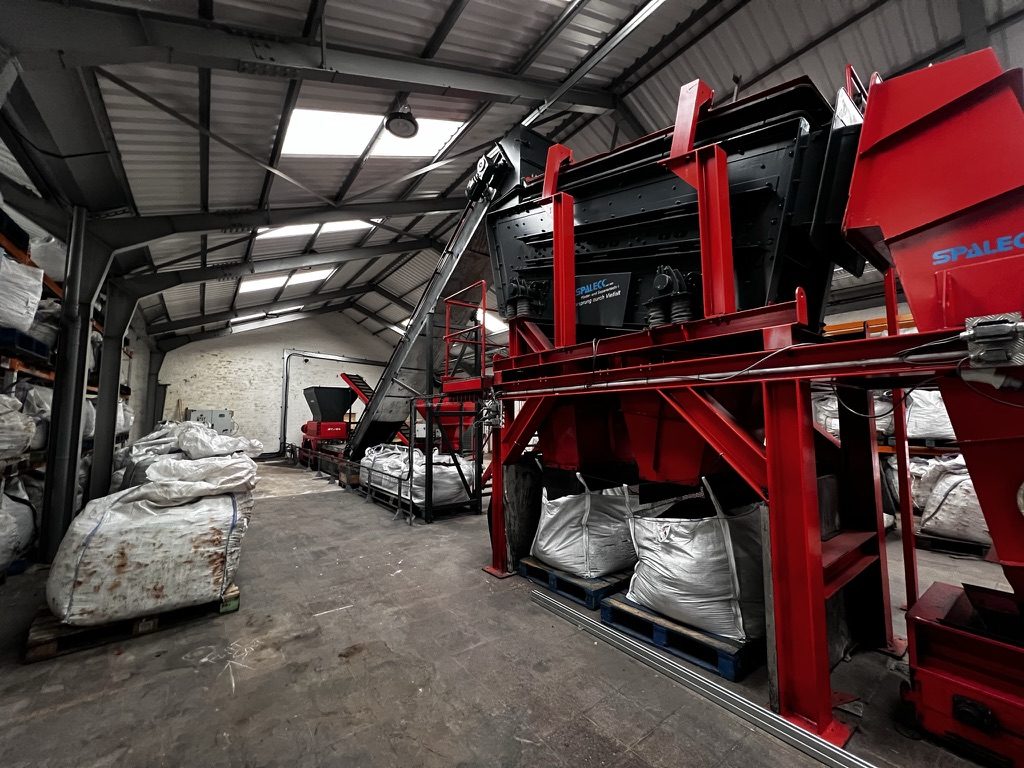
A trading desk, a logistics operation and a compliance platform — in one place.
Battery materials are valuable, hazardous and tightly regulated, yet they usually move through a chain of intermediaries, hauliers and paperwork that nobody owns end to end. RAW TG closes that gap. We are the commercial trading engine that sits between the upstream holders of feedstock and the downstream refiners who turn it back into metal — and we answer for the whole movement.
RAW TG is the trading arm of a fifty-fifty joint venture. It brings together the capital and recycling capability of our industrial parent with the group's own compliance and traceability platform, relationships and delivery experience. That combination is deliberate: trading without traceability leaves provenance unproven, and traceability without a contracted book leaves material stranded. We do both, under one name.
Practically, that means you deal with a single counterparty rather than stitching together an intermediary, a freight forwarder, a dangerous-goods specialist and a compliance adviser yourself. We source and grade the material, match it to the processor whose chemistry route values it most, contract both sides before anything moves, ship direct to source, and record every consignment so the audit trail is complete. The five capabilities below are simply the parts of that single engine.
Between feedstock and the refinery.
- Principal or facilitator, depending on the trade — agreed and confirmed in contract.
- Contracted offtake standing behind the supply, not an introduction taken on trust.
- Digital duty of care and chain-of-custody on every consignment.
One engine, routing materials to where they're valued.
Supply in, offtake out, every movement on the record — visualised as the live trading desk that sits at the centre of the battery-materials chain.
One route, end to end — not a chain of introductions.
Battery materials usually pass through several hands, each adding cost, handling and the risk of losing the thread. RAW TG runs a single, documented route from the upstream holder to the processor that values the material most — six stages, one counterparty answerable for all of them.
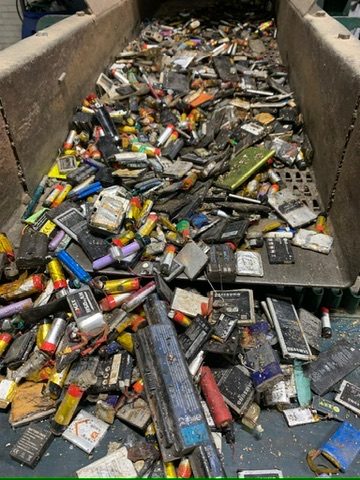
Source
Feedstock secured from producers, collectors and end-of-life handlers.
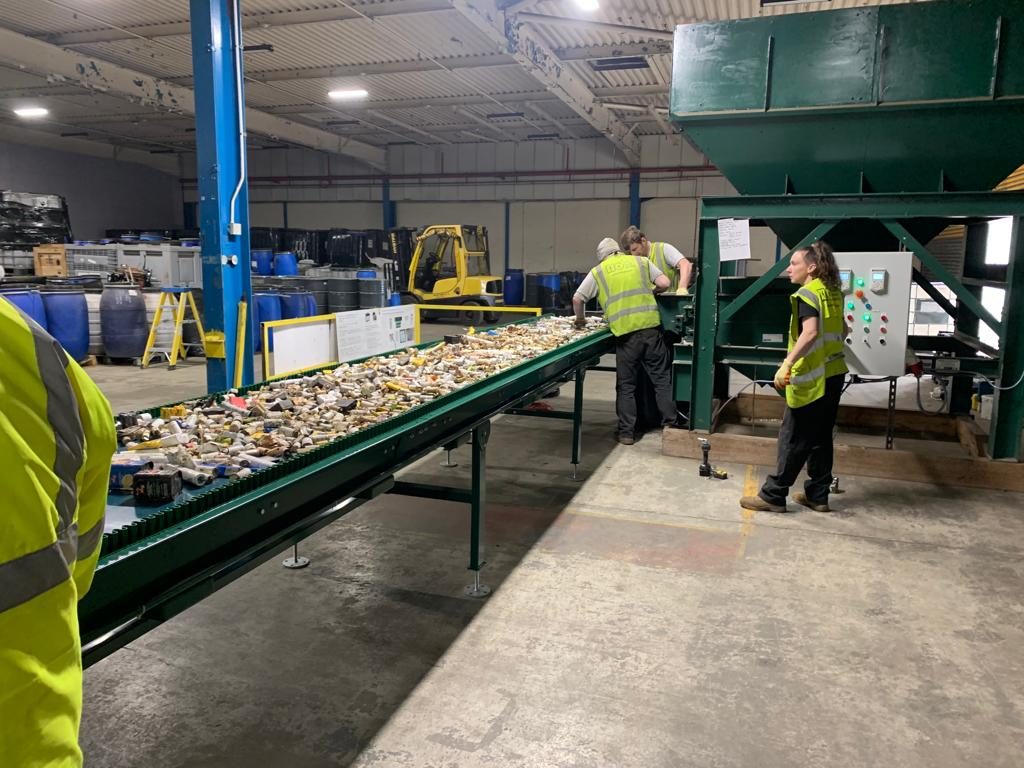
Grade
Chemistry, contained metal and contamination established before commitment.
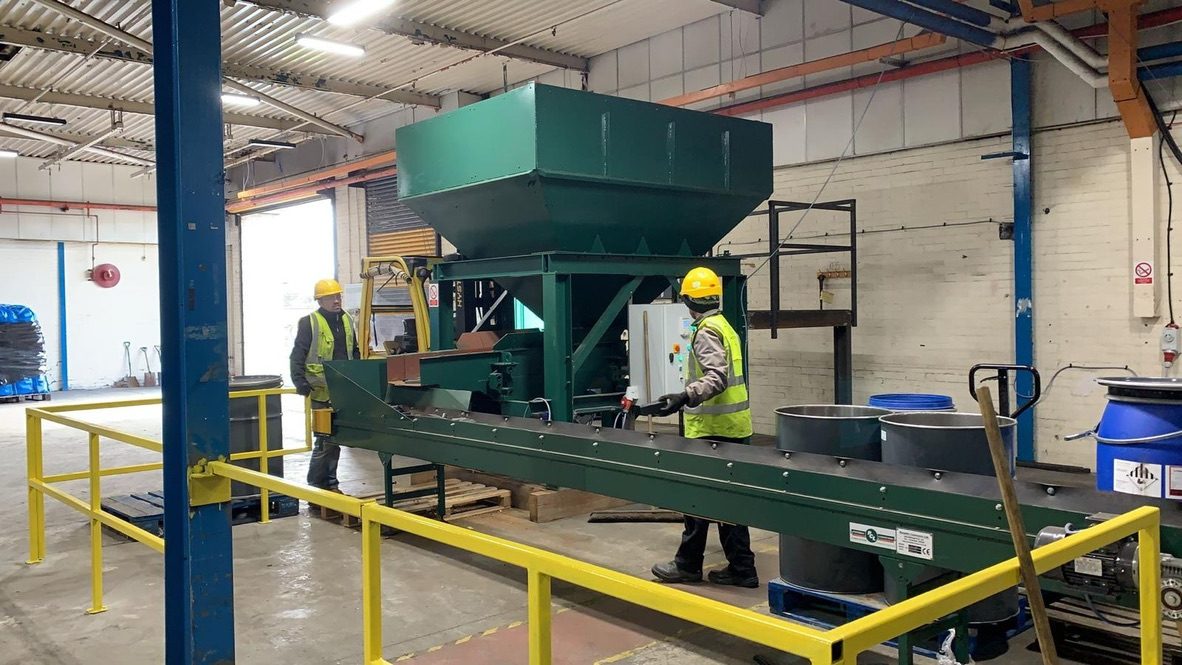
Process
Discharged, dismantled and processed into recoverable fractions.
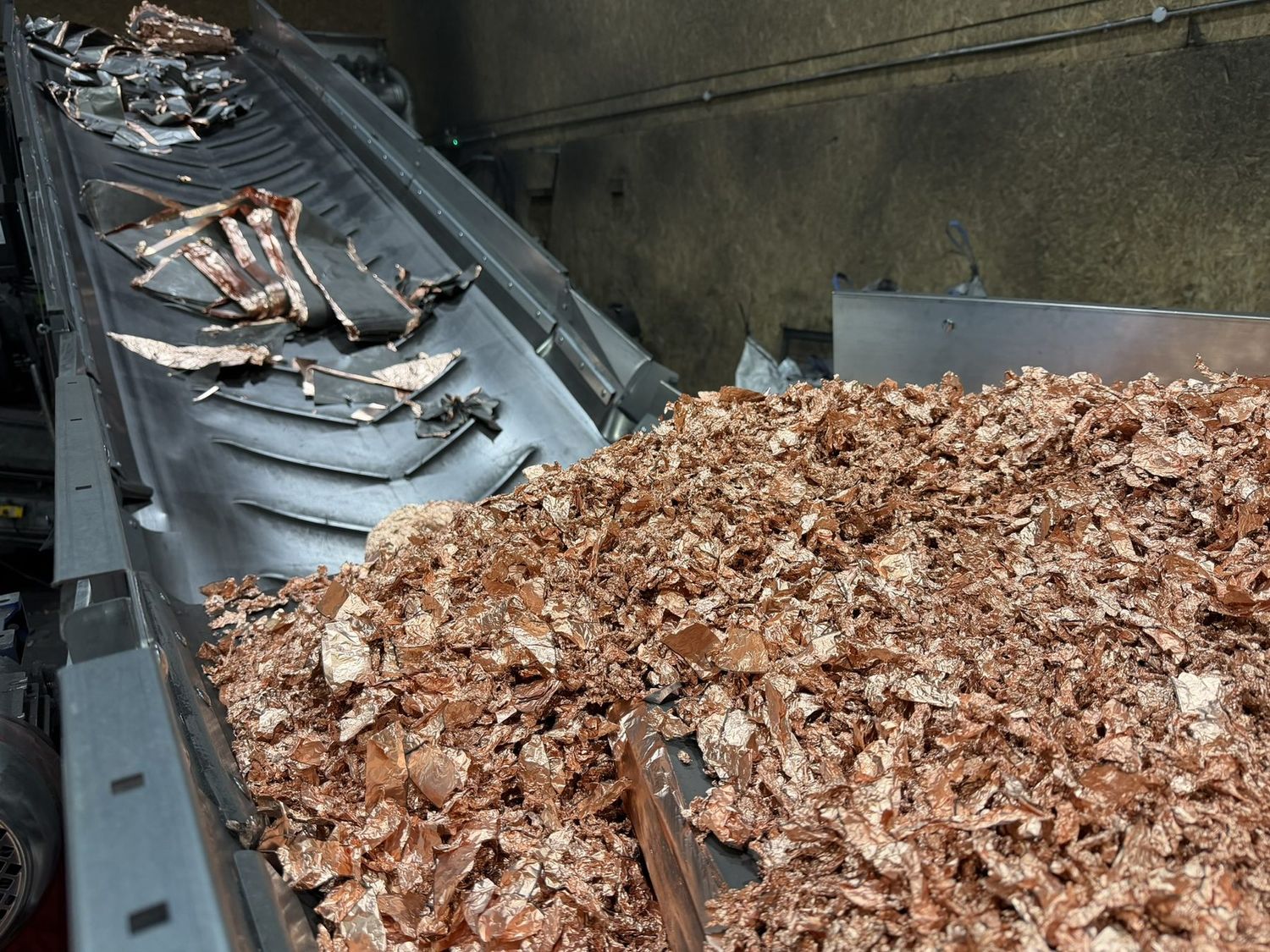
Recover
Black mass, copper and metals matched to the refiner that values them.
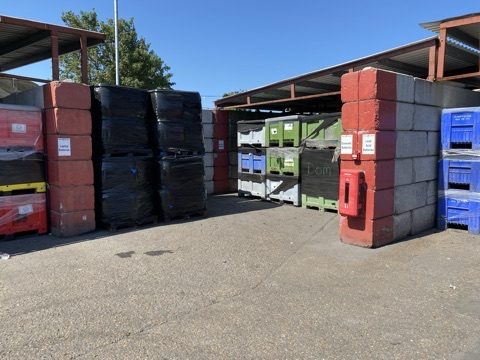
Route
Shipped direct to the processor, documented end to end on our platform.
Source
Feedstock is secured from upstream holders — producers, collectors, scrap merchants and end-of-life handlers — including smaller and irregular arisings.
Grade
Material is characterised and graded — chemistry, contained metal, moisture and contamination established before any commitment is made.
Match
Graded volume is matched to the refiner whose process values that chemistry most, and both sides are contracted before material moves.
Ship
The parcel ships direct to the processor, with dangerous-goods handling and cross-border documentation managed throughout.
Document
Every movement is recorded on our digital platform — digital duty of care and an auditable chain-of-custody per consignment.
Settle
Payment settles against shipping and inspection milestones — the majority on the Bill of Lading, the balance on confirmed inspection.
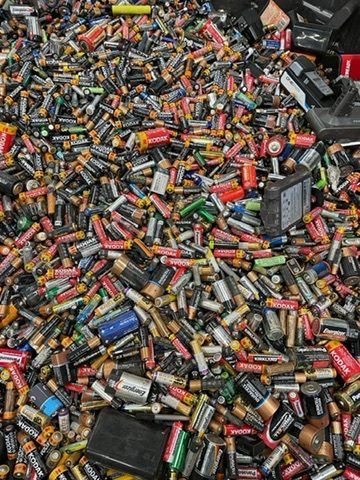
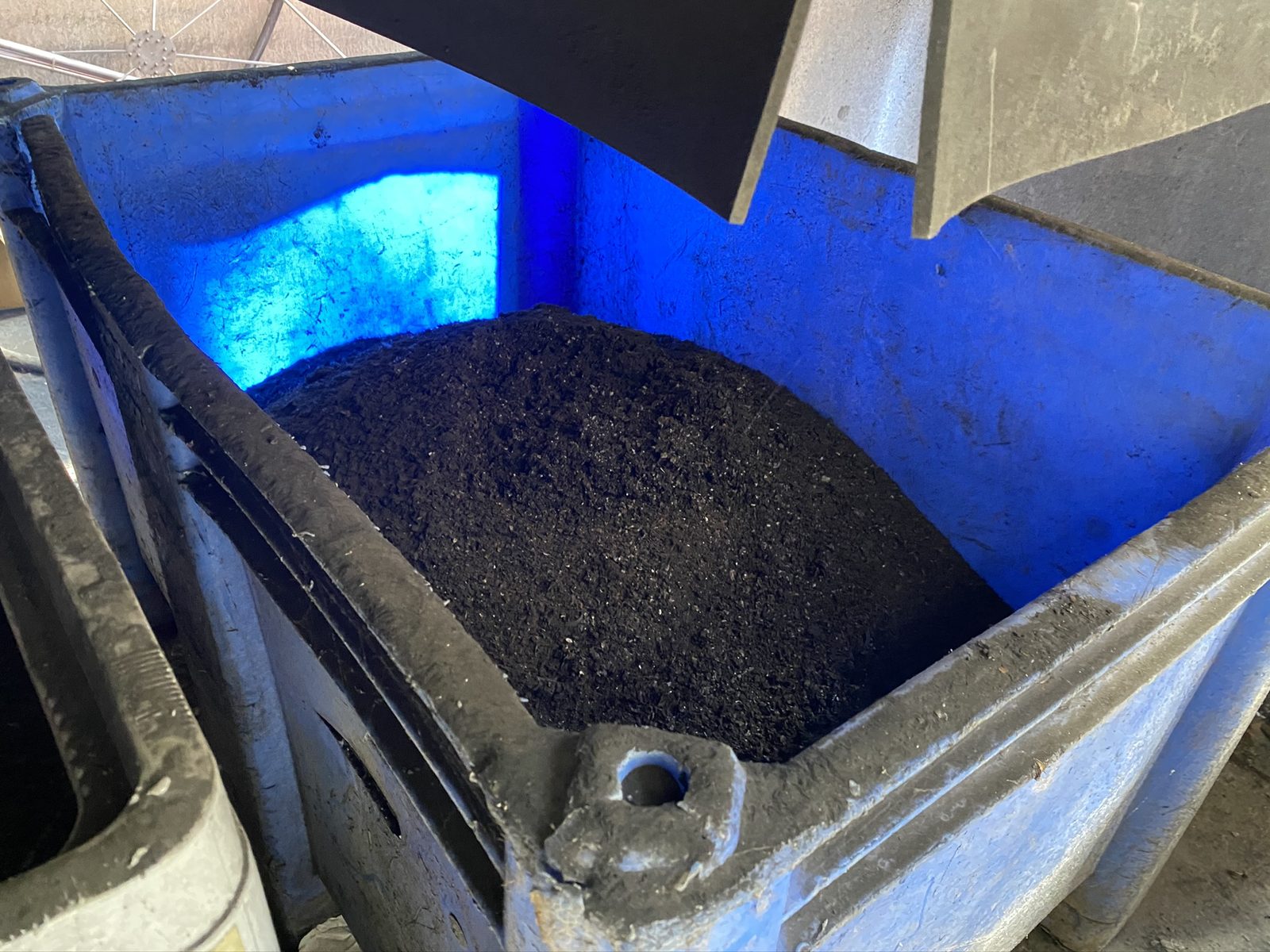
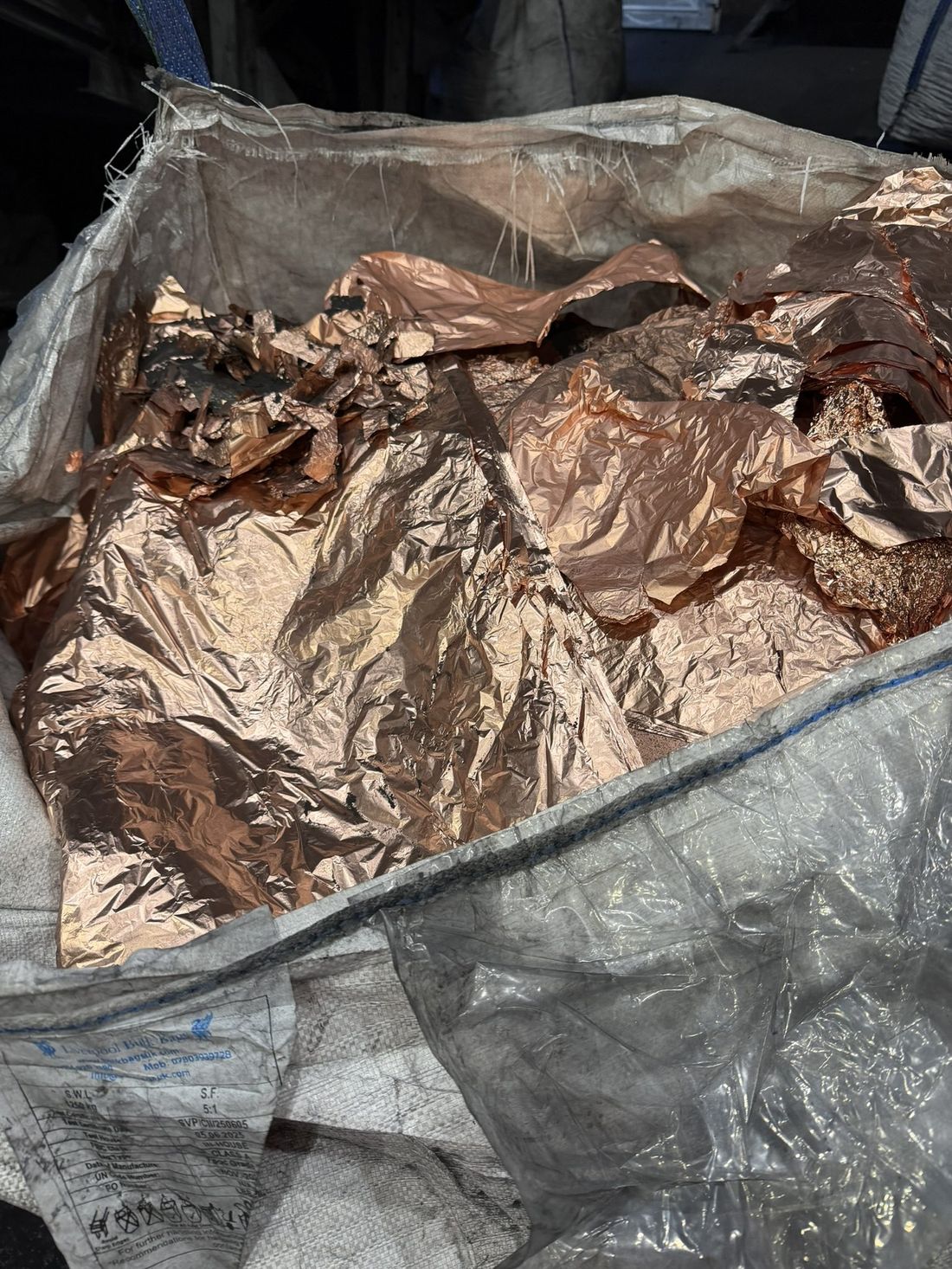
The structural point. Contracted on both sides before material moves, routed direct to source, and documented per consignment — one counterparty answerable for the whole movement.
Five capabilities, one trade.
Each capability is a desk in its own right — together they form the engine that moves battery materials from holder to processor without losing value or the audit trail.
Recycling Network
We source, aggregate and grade feedstock from across the upstream market, then match each lot to the refiner whose process values that chemistry most. Smaller and irregular parcels are consolidated into refiner-grade volume, so material that could not reach a Tier-1 buyer alone still finds its best route. We act as principal or broker, agreed per trade.
For suppliers & holders Our recycling networkTrading & Offtake
A secured book, not a pipeline of hope: contracted upstream supply matched to contracted downstream offtake before material moves. Pricing is assay-based and benchmark-referenced, so value follows the contained metal rather than a headline tonnage. The result is supply a processor can plan around and a route a supplier can rely on.
For both sides Explore trading & offtakeLogistics & Direct-to-Source
Material ships direct to the optimal processor rather than passing through a chain of intermediaries, keeping more of the value per tonne. We handle dangerous-goods classification, consolidation and cross-border documentation as part of the route — UK, EU and international. One movement, fully papered.
UK · EU · international Explore logisticsHow a Trade Works
A self-funding, low-risk structure: the majority of value is released against the Bill of Lading once goods are confirmed shipped, with the balance settling on inspection at destination. Rejection liability is structured onto the recycler under the terms, so the downside that normally deters sellers is removed. Every trigger is set out in contract before material moves.
The trade structure See the structureCompliance & Traceability
Every movement is recorded on our digital platform with digital duty of care and chain-of-custody by default — an auditable record per consignment, not a folder reconstructed after the fact. That provenance supports a supplier's duty of care and a refiner's own reporting to its customers. It is built into the trade, not bolted on afterwards.
By default, on every trade Explore traceabilityThe materials we cover.
Categories, not commitments — a snapshot of the battery-materials chemistries and formats that move through the desk. If your material isn't listed, ask.
UK, EU and international movements.
- Cross-border documentation handled as part of the route.
- Direct-to-source routing to the optimal processor.
- Auditable movement record per consignment.
An intermediary introduces. RAW TG carries the trade.
The difference isn't a relationship — it's the structure behind it. Here is how an introduction-and-margin model compares with an accountable, contracted engine.
Traditional intermediary
- Makes an introduction and takes a margin.
- No contracted offtake standing behind the deal.
- Material passes through multiple handlers.
- Payment on trust; rejection risk falls back on the seller.
- Documentation scattered across parties.
RAW TG
- Acts as principal or facilitator, with contracted offtake behind the trade.
- Both sides contracted before material moves.
- Routed direct to the processor that values it most.
- Staged payment against shipping milestones; rejection liability structured onto the recycler.
- One auditable record per consignment.
Structural comparison only. Whether RAW TG acts as principal or facilitator, and the exact terms, are agreed per trade and confirmed in contract.
Two sides of the same trade.
The engine works because both ends are contracted. Whichever side you sit on, you deal with one counterparty — and the page below sets out exactly what that means for you.
For suppliers & holders
If you hold production scrap, end-of-life cells, modules, packs or black mass, we give you a contracted buyer, the majority paid on shipment, and rejection risk structured onto the refiner — not you. Small and irregular volumes are aggregated to refiner-grade lots.
A route for your materialFor recyclers & refiners
If you run a black-mass, hydromet or pyromet plant, we keep it fed: graded volume matched to your chemistry, consistent supply to plan utilisation around, direct shipment and full chain-of-custody for your own reporting and customers.
Secure graded volumeWhat RAW TG does — answered.
Are you a facilitator or a principal?
Both, depending on the trade. RAW TG acts as principal when it takes title to material, and as facilitator when it arranges the trade between parties. Which role applies — and the exact terms — is agreed and confirmed in contract for each trade. See the recycling network.
What materials move through the desk?
Production and manufacturing scrap, end-of-life cells, modules and packs, and black mass — across lithium-ion chemistries (NMC, NCA, LCO, LMO, LFP, LTO) and nickel-metal hydride. Value sits mainly in contained nickel, cobalt, copper and lithium; LFP carries no nickel or cobalt, so it is routed where lithium and copper are valued correctly. If your material isn't listed, ask. See trading & offtake.
Do you handle cross-border movements?
Yes — UK, EU and international. Dangerous-goods classification, consolidation and cross-border documentation are handled as part of the route, with material shipped direct to the optimal processor rather than through a chain of handlers. See logistics & direct-to-source.
How does payment and settlement work?
The structure is self-funding: the majority of value is released against the Bill of Lading once goods are confirmed shipped, with the balance settling on inspection at destination. Rejection liability is structured onto the recycler, and every trigger is set out in contract before material moves. See how a trade works.
Not sure which applies to you?
Tell us what you're holding or what you need, and we'll point you to the right desk.
hello@rawbatt.com · +44 203 855 2018 · we reply within two working days