Your plant runs best on consistent, graded feedstock. We keep it fed.
Utilisation is the refiner's real problem: feedstock arrives inconsistently, ungraded, and without clean chain-of-custody. RAW TG runs a secured book — graded volume matched to your chemistry, consistent supply to plan around, and provenance attached to every consignment.

Graded material in. Better utilisation out.
The recycler/refiner story is throughput: the right chemistry, moving consistently, with provenance attached. This animation shows graded feedstock entering the plant as one qualified stream rather than arriving as uncertain spot loads.
- Assay and chemistry signals visible before contracting.
- Direct feedstock line into the processor.
- Chain-of-custody attached to the receipt event.
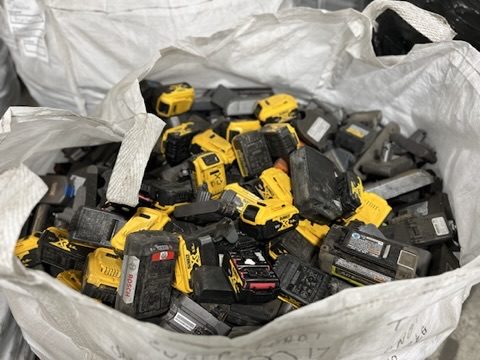
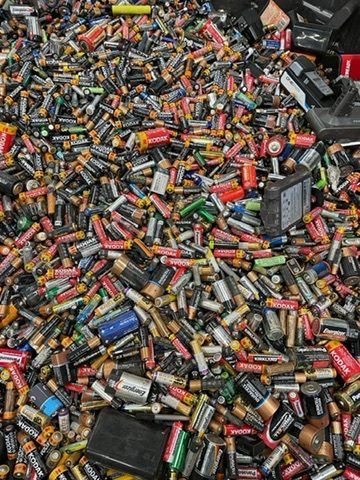
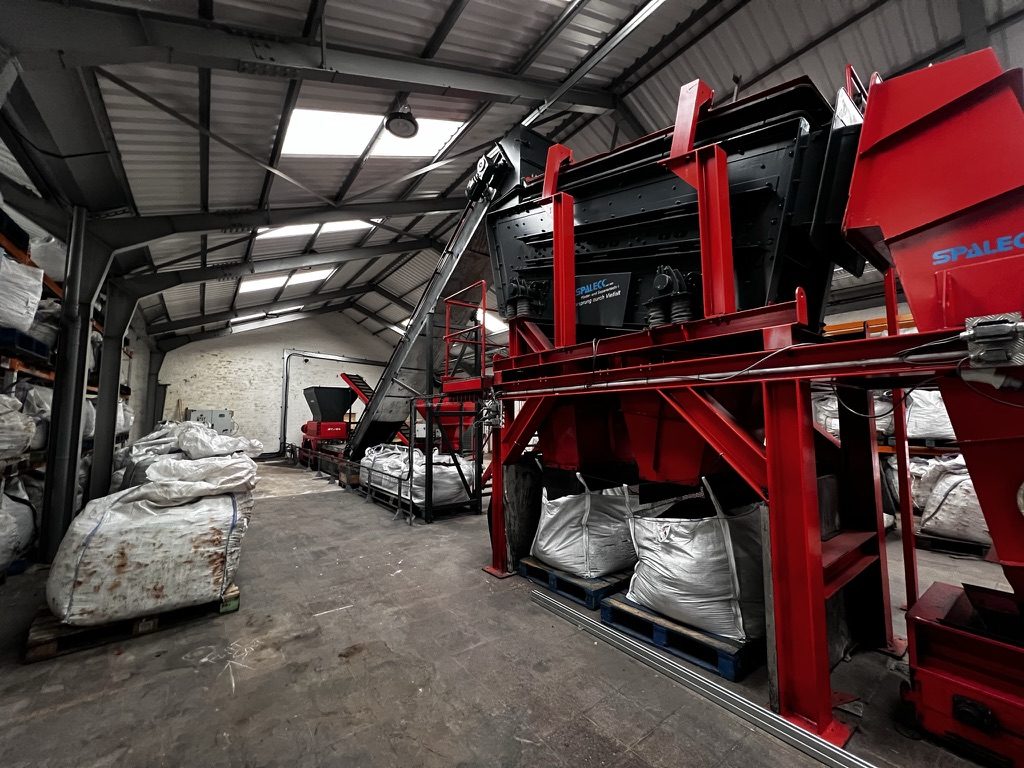
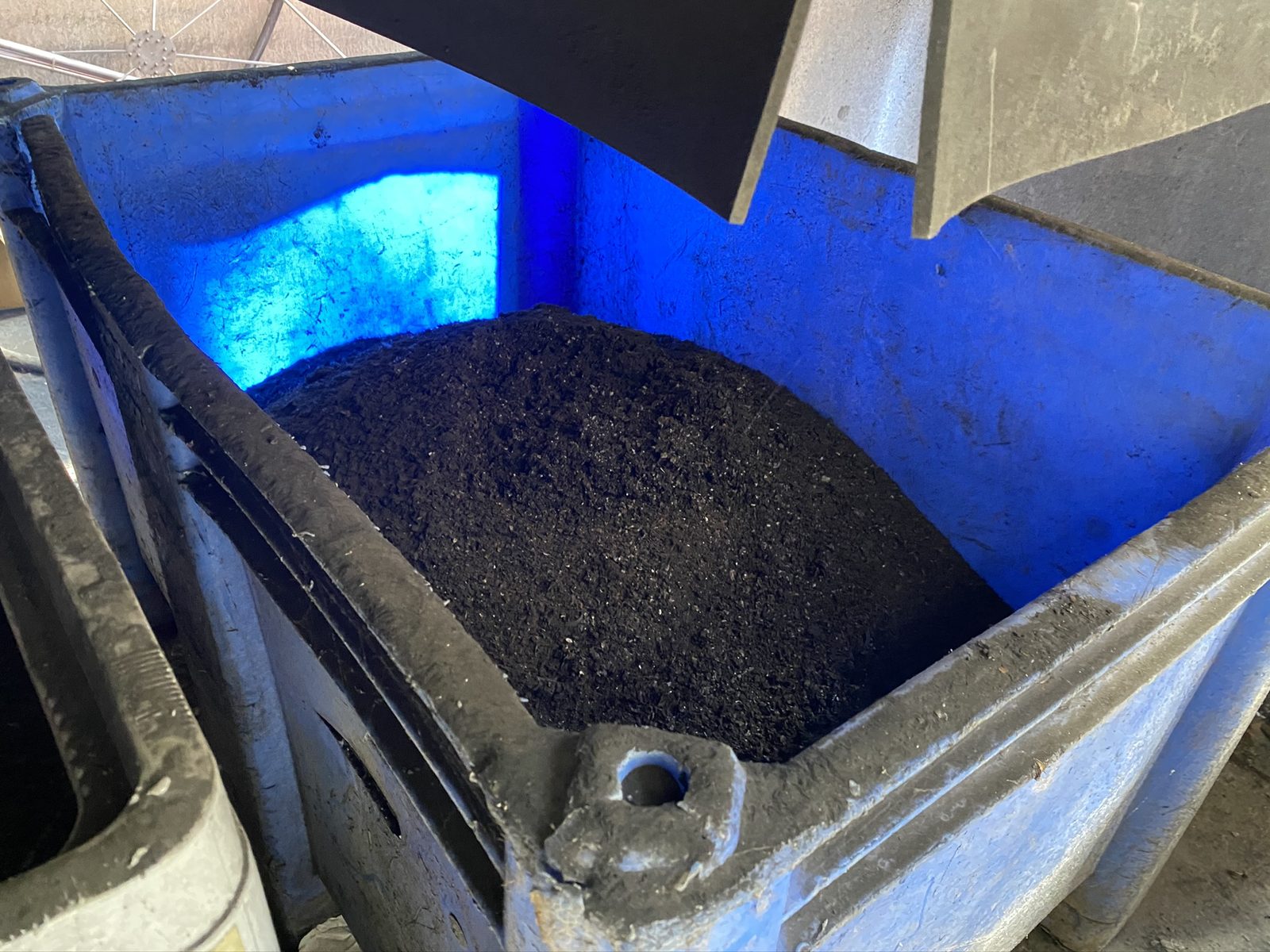
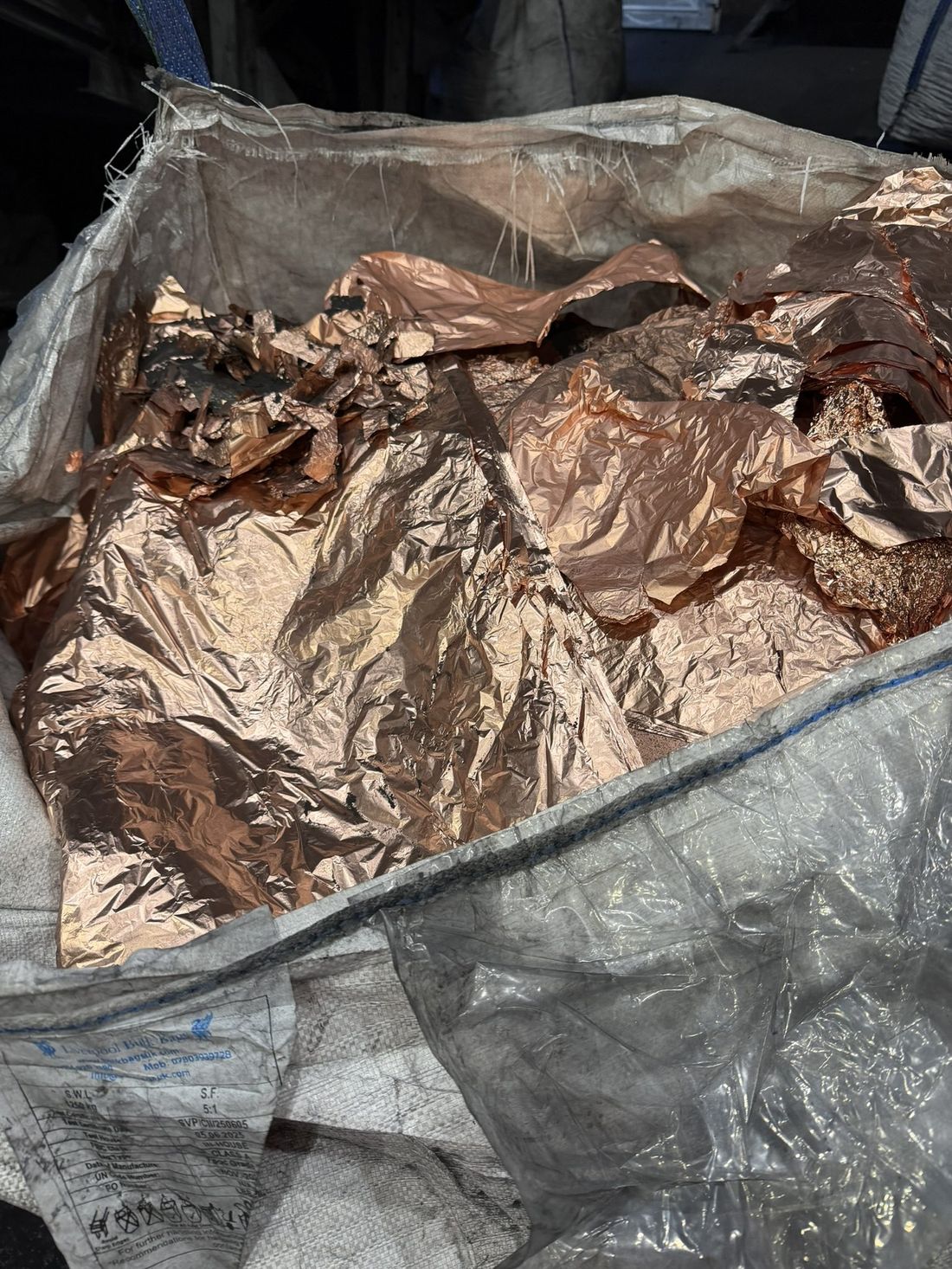
A plant is only as profitable as it is fed.
Capacity is the easy part. Keeping it utilised on consistent, graded, well-documented feedstock is the problem that actually caps a recycling or refining operation's economics.
Feedstock security sits at the centre of it. When material arrives in fits and starts, throughput planning becomes guesswork and fixed costs are spread across fewer tonnes than the plant was built for. Ungraded, mixed or off-spec loads then force re-handling, dilute yield, or have to be turned away — each outcome a direct hit to the recovery economics the business depends on.
Provenance is the quieter cost. Without a clean chain-of-custody travelling with each consignment, the evidence your own reporting, permits and downstream customers require has to be reconstructed after the fact — assuming it can be reconstructed at all. As scrutiny on recycled-content claims and responsible sourcing rises, that gap becomes a commercial liability rather than an administrative one.
RAW TG runs a secured book to close all three gaps at once: graded volume matched to your chemistry before contracting, consistent supply you can plan utilisation around, direct shipment to your facility, and full chain-of-custody attached to every tonne. The capabilities below set out exactly what that delivers.
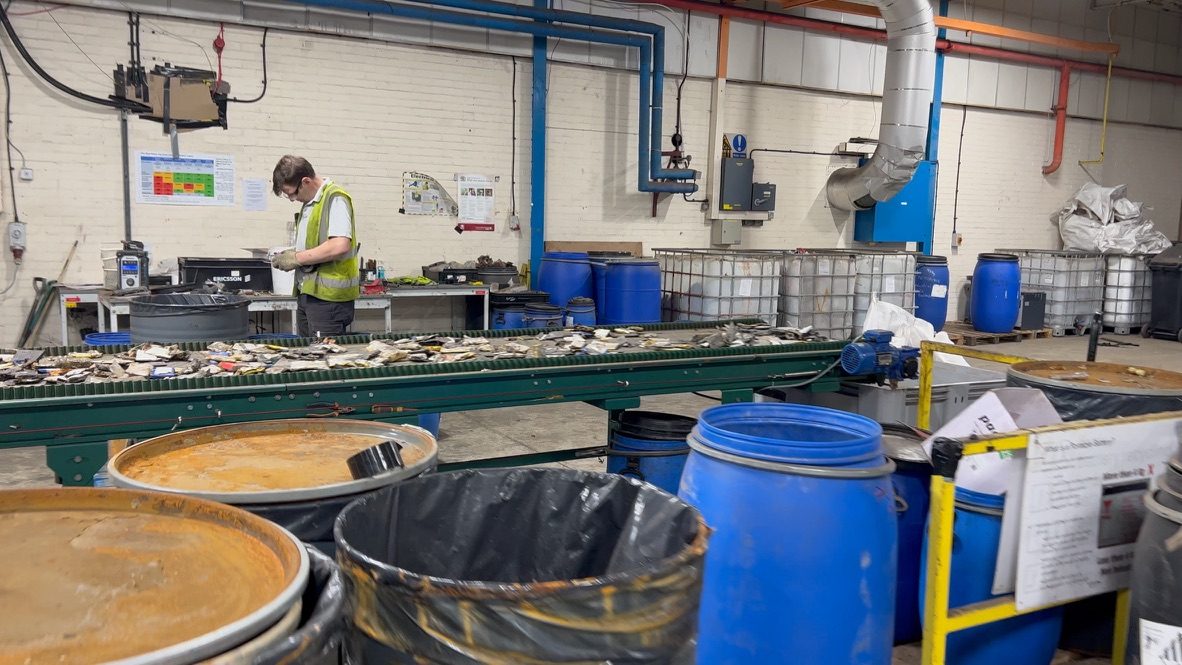
How feedstock usually arrives — and how it should.
A plant can only run as well as its feed. The RAW TG book is built to take the uncertainty out of yours.
Feedstock the usual way
- Inconsistent arrivals that make utilisation hard to plan.
- Ungraded material that doesn't match your spec.
- Multiple handlers eroding value and adding handling.
- Patchy provenance that can't support your own reporting.
Feedstock with RAW TG
- Graded volume matched to your chemistry before contracting.
- Consistent, contracted supply to plan production around.
- Material shipped direct to your facility.
- Chain-of-custody and movement records per consignment.
Indicative structure. Exact terms are agreed per trade and confirmed in contract.
Four things a plant needs from its feedstock.
Graded volume, consistent supply, clean provenance and settlement on what actually arrives. Each is a capability in its own right — follow any card through for the detail.
Graded volume, matched to your chemistry
A secured book of contracted upstream supply, characterised and graded before contracting and matched to the chemistry your process recovers best. Pricing is assay-based and benchmark-referenced, so the value reflects the contained nickel, cobalt, copper and lithium — not a headline tonnage.
Explore trading & offtakeDirect shipment to your facility
Material ships direct to your gate rather than through a chain of handlers that erodes value and adds re-handling. Dangerous-goods classification, consolidation and cross-border documentation are managed as part of the route — UK, EU and international.
Explore logisticsFull chain-of-custody, per consignment
Provenance travels with the material. Digital duty of care and an auditable movement record per consignment are captured on our digital platform — the evidence your own reporting, permits and downstream customers increasingly require, available rather than reconstructed.
Explore traceabilityInspection-based settlement
The balance is assessed against the agreed specification on inspection at destination, with the grounds and process set out in the trade terms before material moves. You settle on what arrives and what it assays — not on an unverified description.
See how a trade worksFrom your specification to documented delivery.
A disciplined sequence that puts your specification first. Fit is established against it before anything is committed, so what arrives is what was agreed.
Characterise
Material is characterised and graded — chemistry, contained metal, moisture and contamination established, not assumed.
Spec match
Graded volume is mapped to your target chemistries, acceptable forms and receipt windows — the supply shape that fits your plant.
Contracted offtake
Terms are agreed and both sides contracted before material moves — including framework offtake where it helps you plan throughput.
Documented delivery
Material ships direct to your facility with chain-of-custody attached, and settlement follows inspection against the agreed spec.
A contracted book de-risks your throughput.
When supply is contracted and graded ahead of delivery, feedstock stops being the variable that caps utilisation. We speak your language — yield, spec and run-rate — and structure supply around it.
The effect compounds. Predictable arrivals let you plan production and spread fixed costs across the tonnes the plant was built to process. Material matched to your chemistry protects recovery yield instead of diluting it. And clean provenance on every consignment means the reporting burden is carried by the trade, not by your team after the fact.
- Graded volume matched to chemistry.
- Consistent supply to plan utilisation around.
- Direct shipment to your facility.
- Full chain-of-custody for your own reporting and customers.
- Inspection-based settlement on receipt.
Who this is for
Material categories: production scrap, black mass, modules and packs, cells, mixed lithium-ion and NiMH.
Clean paperwork, attached to every tonne.
Provenance isn't an afterthought. Chain-of-custody and movement records travel with the consignment, so the evidence your own reporting and customers need is already there.
Graded and matched before contracting.
Material is characterised and graded, then matched to your specification before either side is committed — so what arrives is what was agreed. Every trade is documented on our platform with an auditable movement record per consignment.
What processors ask us.
We need consistent spec.
Material is characterised, graded and matched to your specification before contracting — so the consignment that arrives reflects what was agreed, not whatever happened to be available. See trading & offtake.
Can we agree framework offtake?
Yes. Framework offtake can be structured per agreement, so you can plan throughput against contracted supply rather than spot availability. Terms are agreed per contract. See trading & offtake.
What provenance and chain-of-custody do we get?
Chain-of-custody and movement records are attached per consignment on our digital platform — the digital duty of care evidence your own reporting, permits and downstream customers need, available rather than reconstructed. See compliance & traceability.
How do you handle contaminants and moisture?
For black mass in particular, value and processability turn on assay, moisture and contamination — so these are established at the characterisation stage and reflected in the grade and price before contracting, not discovered on receipt. The basis is set out in the trade terms.
Which chemistries can you supply?
Across lithium-ion — NMC, NCA, LCO, LMO, LFP, LTO — and nickel-metal hydride, in the form of production scrap, end-of-life cells, modules and packs, and black mass. We match to your process: LFP, for instance, carries no nickel or cobalt, so it is routed where lithium and copper are valued correctly. See the recycling network.
What about lead times?
Because supply is contracted ahead of delivery rather than sourced on the spot, lead times are something you plan around rather than react to. Specific timings depend on material, volume and route, and are confirmed per contract — share your receipt windows and we'll map supply to them.
Secure graded volume
Share your target chemistries, acceptable forms, destination and receipt windows. We'll map them to the book.
hello@rawbatt.com · +44 203 855 2018 · we reply within two working days