Your material, matched to the refiner that values it most.
RAW TG sources battery recycling feedstock from upstream holders, aggregates it into refiner-grade parcels, and matches each parcel to the processor whose chemistry it fits — contracted on both sides before anything moves.
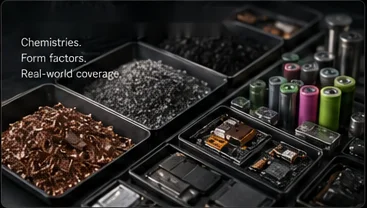
Managing your waste is the work of getting the route right.
In battery materials, the gap between a fair return and a poor one rarely sits in the headline metal price. It sits in whether the material reached a processor that actually values its chemistry, on terms that reflected what was genuinely in it.
The same parcel of lithium-ion scrap can be worth markedly different amounts depending on where it lands. A refiner configured for high-nickel chemistries will pay one way; a route built around lithium-iron-phosphate values it another. Send material to the wrong destination and recoverable value is left on the table — through under-recovery, mismatched payables, or deductions that a better-matched route would never have applied. RAW TG exists to close that gap: to characterise what you actually hold, find the destination that pays for it correctly, and document the movement so both sides can rely on it.
We are deliberately not a processor and not a refiner. We have no plant to feed and no fixed home that every parcel must be forced into, which means our incentive is to match material to the route that serves it best rather than the one that happens to be ours. That independence is the point of using a facilitator at all — and it is why the role, and how we are paid for it, is made explicit in every trade.
Cross-referenced throughout: how a trade is structured and funded, the logistics that move material direct to the optimal processor, and the traceability that travels with every consignment.
Principal or facilitator — and we tell you which.
Sophisticated counterparties respect clarity about the role being played. There are two, and the trade contract makes plain which applies before anyone is committed.
As principal. RAW TG takes title to the material and carries the trade on its own book, backed by RTG capital. We buy from you and sell on, accepting the position in between.
As facilitator. RAW TG arranges and documents the trade between supplier and processor, matching the parcel to its route without taking title — paid an agreed facilitation fee rather than a trading margin.
Which role applies depends on the trade and is confirmed in contract. Neither implies a guarantee of price or outcome; all trades are subject to contract.
The network’s value is in the match.
The highest-value route is not always the nearest buyer or the loudest bid. It is the processor whose chemistry, process route and commercial terms fit the material in front of us.
This is where RAW TG earns its place in the trade: characterising the parcel, reading the market, matching the destination and documenting the movement so both sides can rely on the outcome.
Chemistry determines value — and the right route.
Recovered value in lithium-ion and nickel-metal-hydride feedstock is driven mainly by the contained, recoverable nickel, cobalt and copper, plus lithium. The chemistry decides which of those metals are present, in what proportion — and therefore which processor pays best.
High-nickel and high-cobalt chemistries — NMC (nickel manganese cobalt), NCA (nickel cobalt aluminium) and LCO (lithium cobalt oxide) — carry the higher intrinsic payable value, because nickel and cobalt are where most of the recoverable money sits. Lithium-iron-phosphate (LFP) is a different proposition: it contains no nickel and no cobalt at all, so its value lives in lithium, copper and, increasingly, direct recovery of the cathode material itself. LFP is not low-value — but it needs a route that is built to value it correctly, rather than one priced around metals it simply does not contain.
This is why matching is not a formality. The same drum of black mass routed to a process tuned for the wrong chemistry can return materially less than it should. Establishing the chemistry first, then selecting the processing route around it, is precisely where value is made or lost — and it is the core discipline of the desk.
Directional only. Routes overlap in practice, mixed feed is common, and the destination for any given parcel is determined by its assay and the prevailing market — confirmed per contract.
| Chemistry family | Key recoverable value | Typical route |
|---|---|---|
| NMC / NCA | Nickel, cobalt, lithium, copper | Hydrometallurgy for battery-grade salts; pyrometallurgy for mixed feed |
| LCO | Cobalt, lithium | Hydrometallurgy |
| LMO | Manganese, lithium | Hydrometallurgy |
| LFP | Lithium, copper; increasingly direct cathode recovery | Hydrometallurgical or direct-recycling route that values lithium correctly |
| LTO | Lithium, titanium | Specialist route |
| NiMH | Nickel and rare-earth elements | Dedicated nickel / rare-earth route |
Structural mapping, not a price list. No payables, charges or values are stated; settlement is assay-based and agreed per contract.
The feedstock we work with.
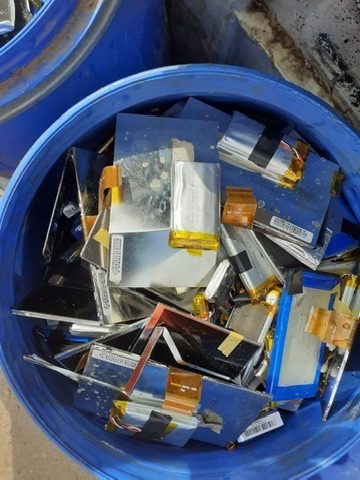
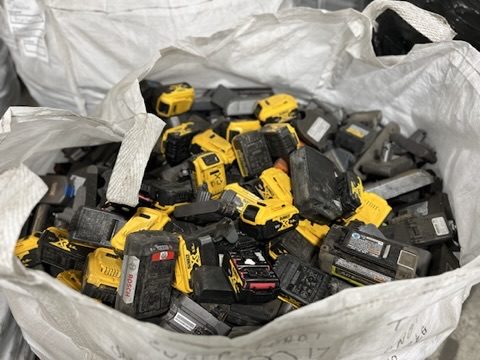
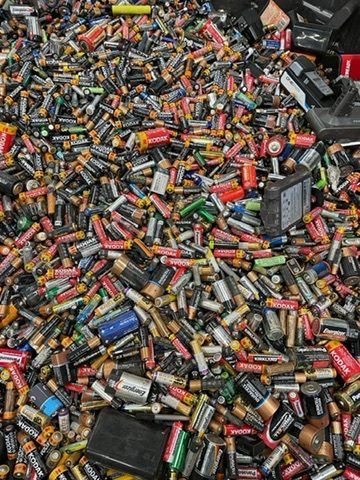
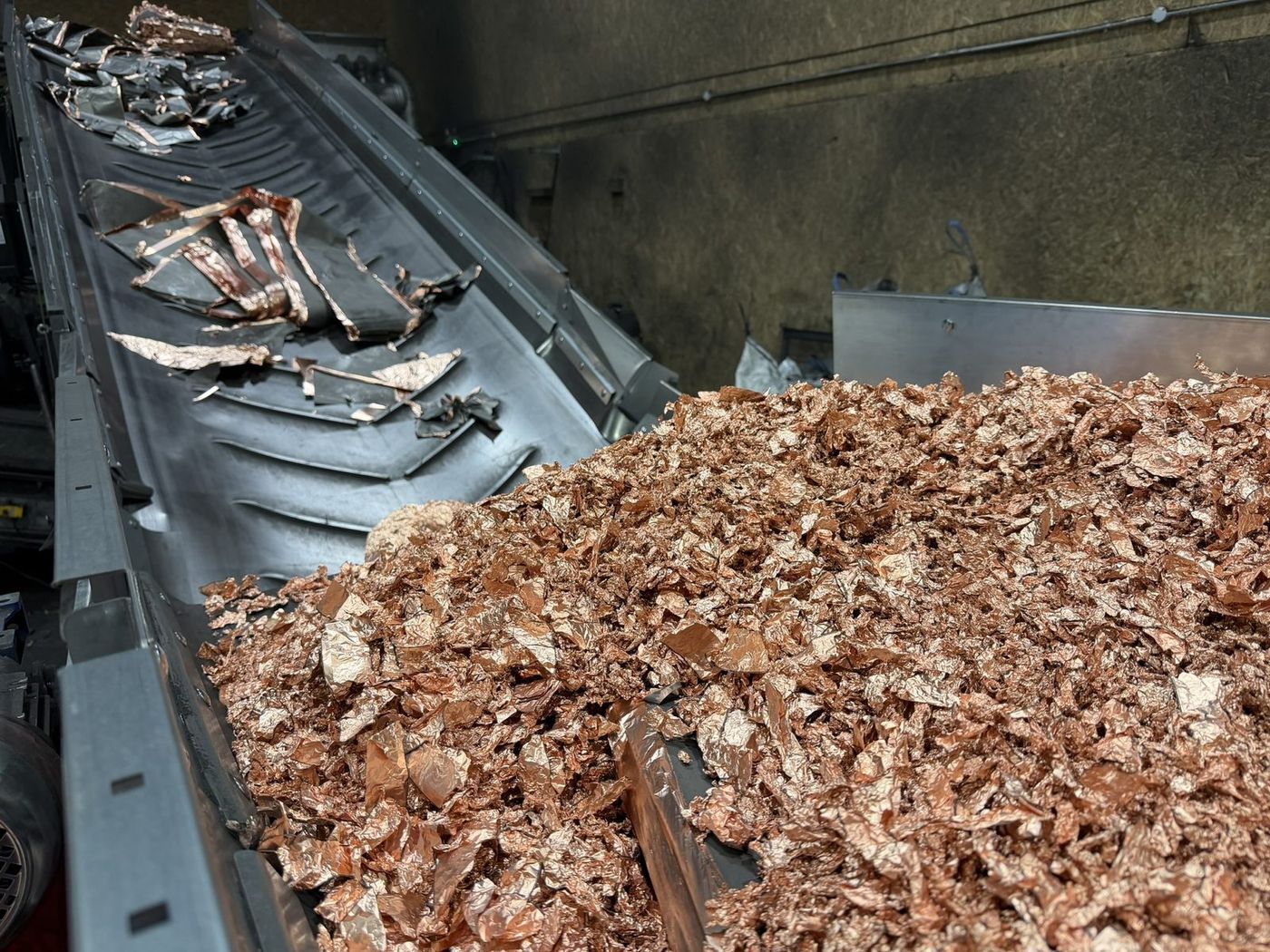
Categories, not commitments. We handle battery materials across the common chemistries and formats — graded or ungraded, large parcels or irregular volumes, from manufacturing lines through to end-of-life.
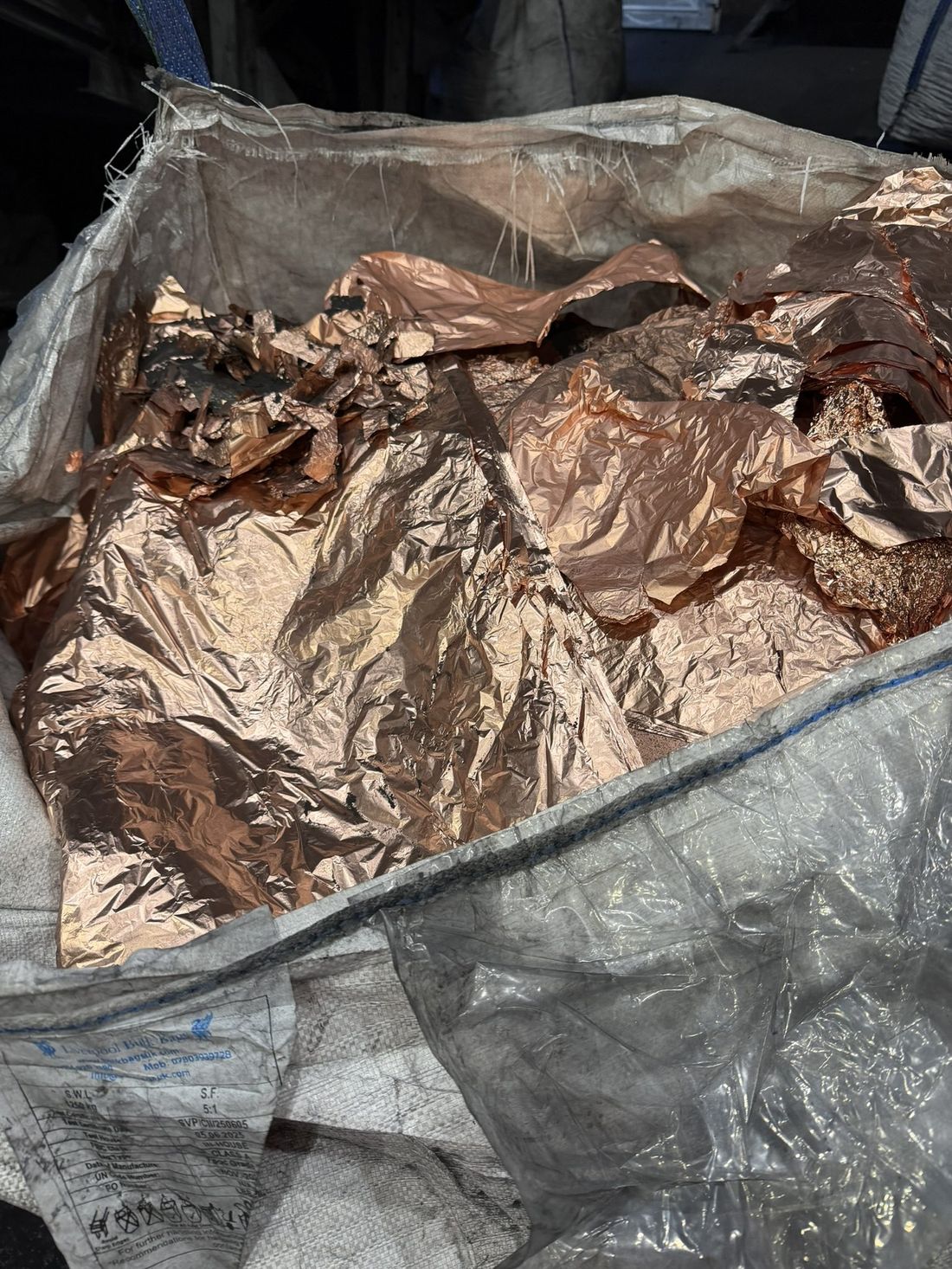
Production & manufacturing scrap
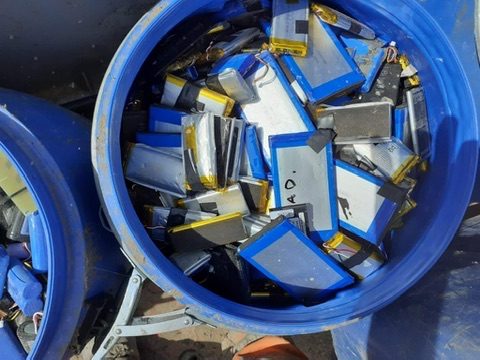
Electrode foil offcuts, jelly-roll rejects and off-spec or out-of-spec cells from cell-making lines. Chemistry is known, contamination is low and value is high — and this stream is growing quickly as gigafactory capacity ramps.
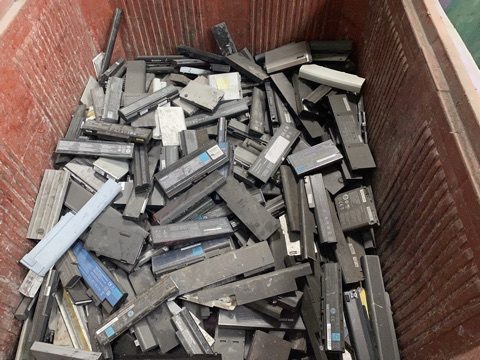
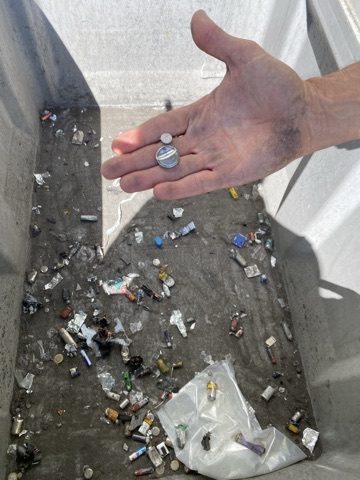
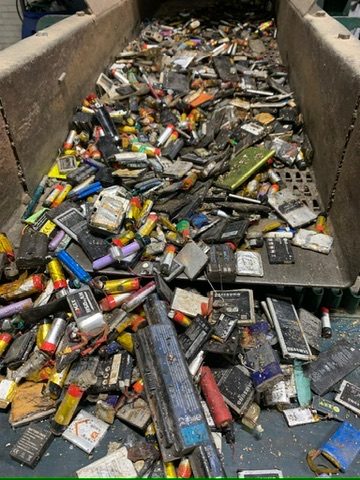
End-of-life material
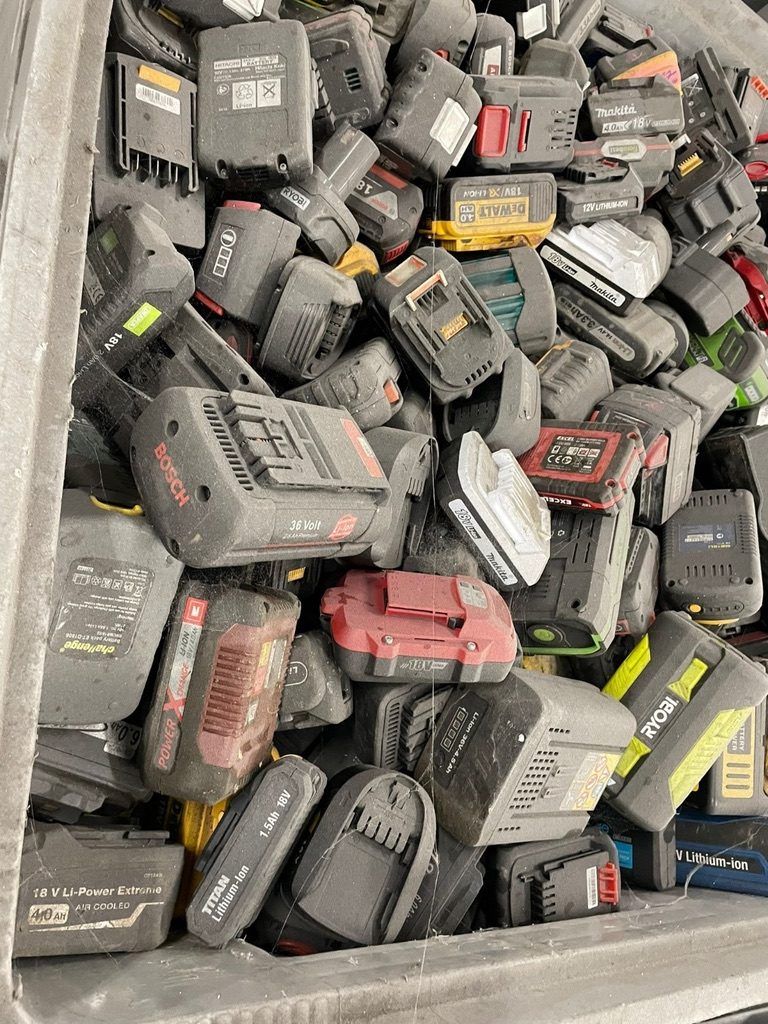
Consumer cells, EV modules and packs, energy-storage (ESS) and e-mobility batteries reaching end of service. More variable in chemistry and condition than production scrap, and handled with the discharge and dismantling care those forms demand.
Black mass
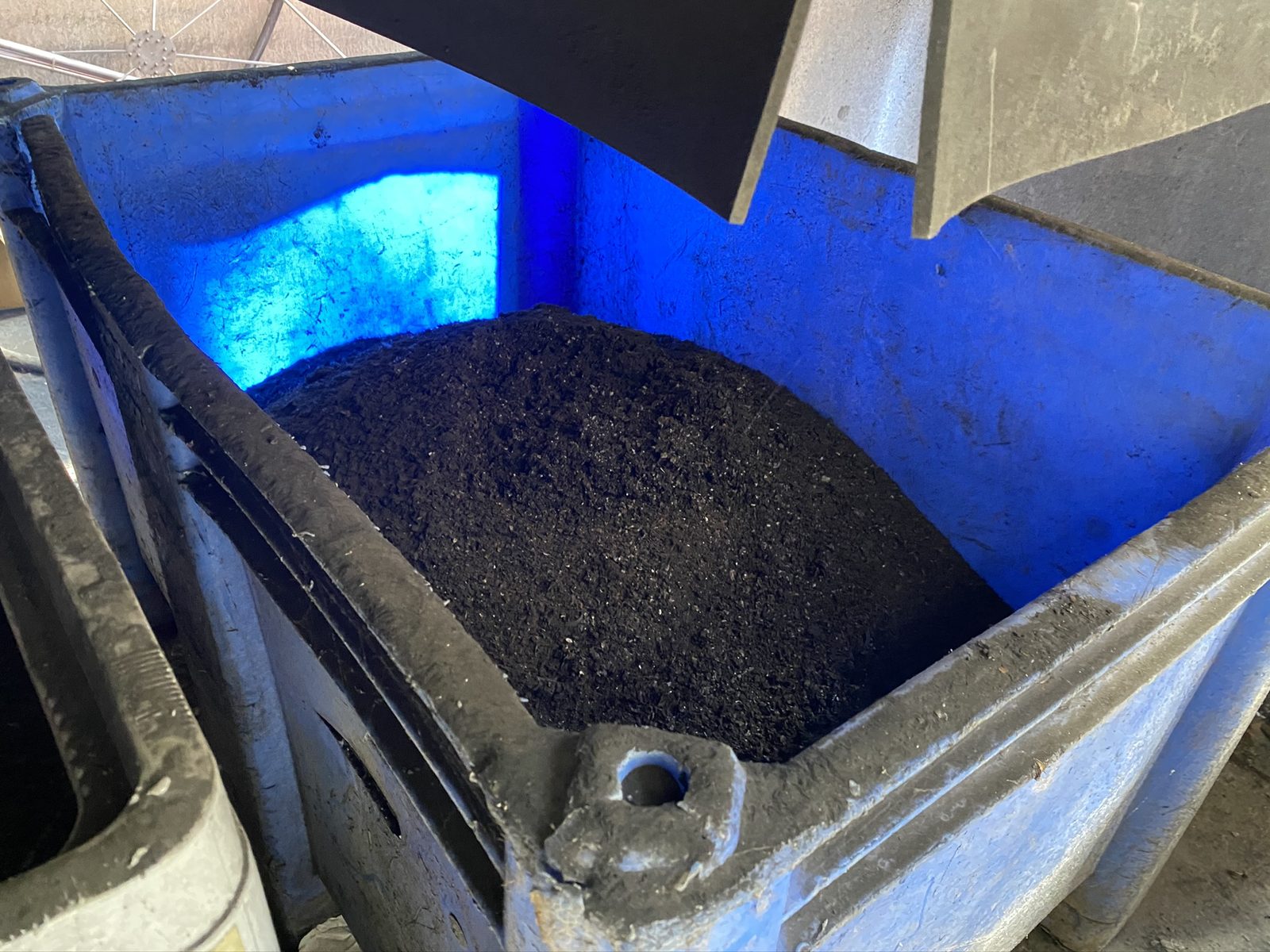
The fine powder produced once cells are discharged, dismantled and mechanically processed, with copper and aluminium fractions separated upstream. It carries the cathode metals — lithium, nickel, cobalt, manganese — and graphite; its value turns on assay, moisture, contamination and particle size.
If your material isn't on the list, ask. The categories above are indicative of what moves through the desk — the right question is whether we can place yours, and that is a short conversation. See also for suppliers and for recyclers & refiners.
Characterise. Match. Contract — before it moves.
Matching is a disciplined sequence, not a phone call and a hunch. Material is characterised before it is contracted, matched to the route its chemistry fits, and committed on both sides before anything is shipped.
Characterise
Representative sampling and assay — typically by methods such as ICP or XRF — establish the contained nickel, cobalt, manganese and lithium, alongside moisture, contamination (copper, aluminium, iron, fluorine) and particle size. Lot homogeneity is checked and a specification window is set, so quality is known rather than assumed.
Match
The characterised parcel is matched to the processor whose route and specification value that chemistry most — broadly, hydrometallurgy where lithium recovery and battery-grade salts matter, pyrometallurgy where robustness to mixed feed counts. The aim is the destination that returns the best outcome for the grade.
Contract
Both sides are contracted before material moves — supply secured upstream, offtake secured downstream, settlement defined on an assay basis with sampling and umpire procedures agreed. The trade rests on commitments, not intentions.
Settlement is assay-based. Reputable trades settle on what the material is independently shown to contain, against defined sampling and umpire procedures — not on a seller's description alone. We work the same way, and the mechanics are confirmed per contract. See how a trade works.
One parcel a Tier-1 refiner will take.
Smaller and mid-sized holders rarely have refiner-grade volume on their own. A single irregular consignment can be too small, too mixed or too infrequent for a major processor to engage with at all.
Refiners and the better hydrometallurgical routes are configured around consistent, specified lots. A drum here and a part-pallet there — varying in chemistry and arriving without warning — does not fit that model, and the holder is left either accepting a poor price from whoever will take it or sitting on material that is quietly accruing storage and compliance obligations.
RAW TG consolidates across holders into a parcel that meets a refiner's threshold and specification window — turning fragmented supply into a route to market that would not exist for any one seller alone. Characterisation makes that possible: only material whose chemistry and contamination are known can be combined into a homogeneous, contractable lot.
What this means for you
- Small and irregular volumes are normal here, not a problem to be apologised for.
- Ungraded material is characterised as part of the process — you need not have assayed it first.
- Access to refiners and routes that will not engage with sub-scale parcels directly.
- A repeatable home for recurring arisings, rather than a one-off scramble each time.
The recycling network — answered.
Do you take title to the material?
Sometimes. RAW TG acts as principal when it takes title and carries the trade on its own book, and as facilitator when it arranges and documents the trade without taking title. Which role applies is agreed and confirmed in contract for each trade, so you always know whether you are selling to us or through us.
What if my material isn't graded or assayed?
That is expected, and it is not a barrier. Characterisation — representative sampling, assay for the contained metals, and testing for moisture and contamination — is part of the process. We establish chemistry, grade and format before matching, so you do not need to have done it first.
How is black mass valued?
Black mass is valued on what it is shown to contain. The key parameters are the assay of nickel, cobalt, manganese and lithium, the moisture content, and contamination such as copper, aluminium, iron and fluorine, alongside particle size. Those figures, established by sampling and assay, drive an assay-based settlement; the commercial terms are agreed per contract.
Do you handle LFP?
Yes. LFP carries no nickel or cobalt, so its value sits in lithium, copper and increasingly direct cathode recovery — which means it needs a route built to value it correctly rather than one priced around metals it does not contain. Matching LFP to the right destination is exactly the kind of routing the desk exists to get right.
Do you buy production scrap?
Yes, and it is a stream we particularly value. Manufacturing scrap — foil offcuts, jelly-roll rejects, off-spec cells — tends to be clean, of known chemistry and high value, and it is growing fast as gigafactory capacity ramps. Recurring arisings can be handled on a repeatable basis rather than parcel by parcel.
How is settlement determined?
Settlement is assay-based: it follows what the material is independently shown to contain, against defined sampling and umpire procedures, with payables referenced to recognised metal benchmarks and deductions for contaminants and moisture. The specifics are indicative until agreed and confirmed per contract. See how a trade works for the payment and risk structure.
Get a route for your material.
Tell us what you're holding — chemistry, rough volume and location — and we'll talk through where it can go.
hello@rawbatt.com · +44 203 855 2018 · we reply within two working days