How a trade works.
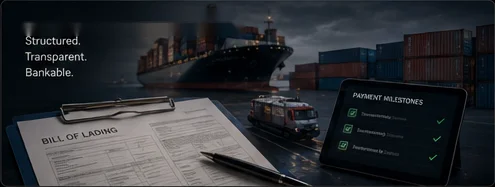
RAW TG's trade structure is designed to do one thing above all: take risk off the upstream partner. Payment is staged against shipping milestones, and rejection liability sits with the recycler — not with RAW TG or the supplier. The result is a trade that funds itself.
Four steps, from source to settlement.
Each trade follows the same disciplined sequence — so suppliers, processors and capital all know exactly where they stand at every stage.
Source & grade
Feedstock is secured from an upstream supplier, then tested and graded so its chemistry and quality are known before it moves.
Match & ship to source
RAW TG matches the material to the processor that values it most and ships it direct — with documentation handled end to end.
80% on Bill of Lading
The majority of payment is released against the Bill of Lading — when the goods are confirmed shipped, not on a promise.
20% on inspection
The balance is settled on confirmed inspection at destination. Rejection liability rests with the recycler under the trade terms.

80% on shipment. 20% on inspection.
Splitting payment against clear shipping milestones gives the supplier certainty early, while keeping the trade disciplined through to confirmed delivery.
Indicative structure. Exact terms are agreed per trade and confirmed in contract.
Rejection liability sits with the recycler.
If material is rejected on inspection, liability rests with the recycler under the trade terms — not with RAW TG or the upstream supplier.
Where the risk sits — and why that's the point.
A short worked example, with no numbers attached, shows how the structure protects the upstream partner.
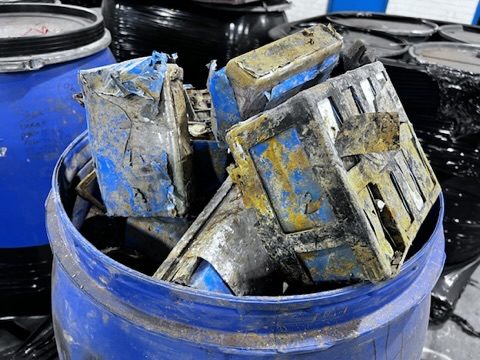
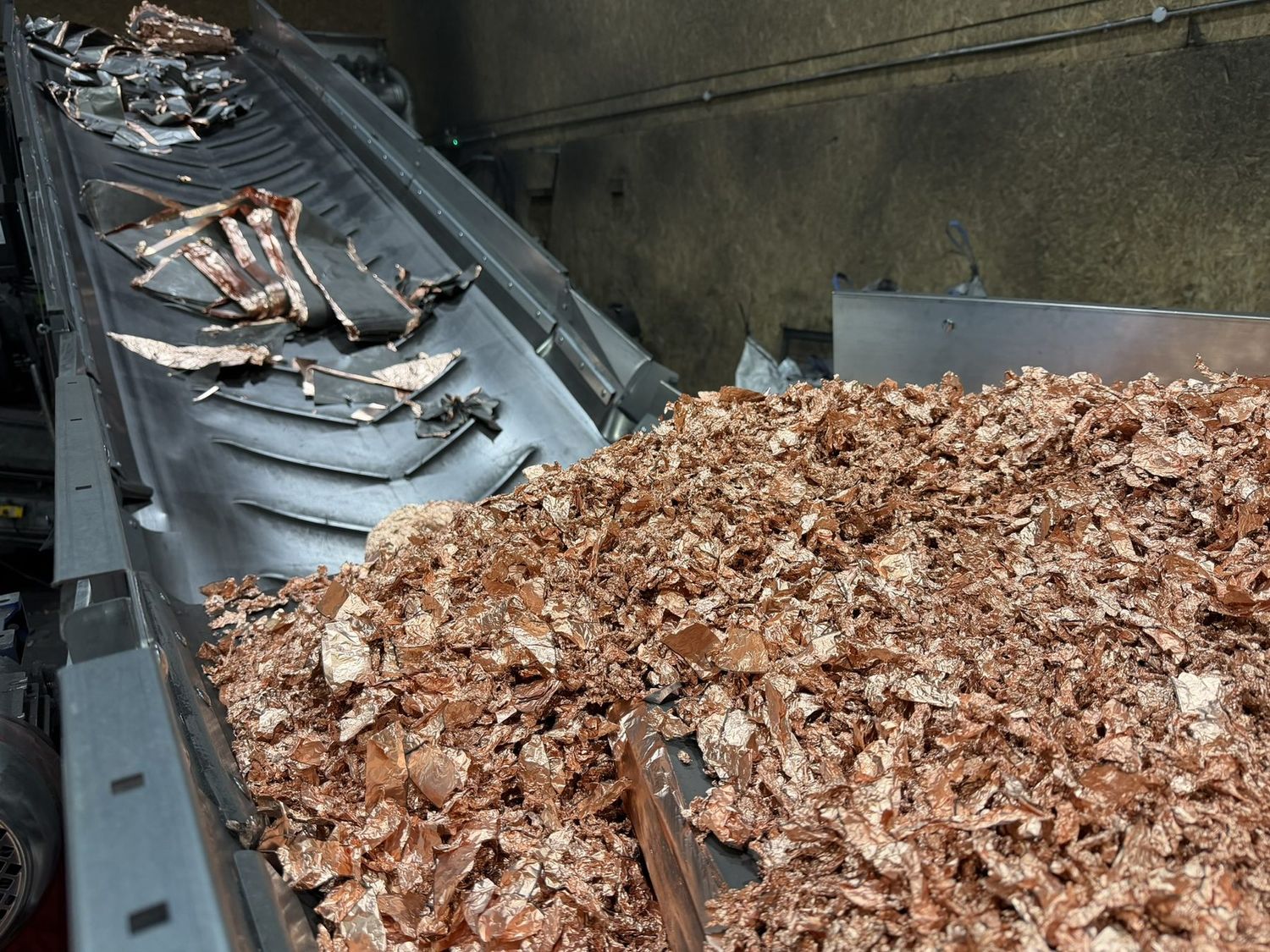
A worked example. A supplier holds a parcel of black mass. RAW TG grades it, matches it to a refiner that values that chemistry, and contracts both sides before anything moves. On shipment, the supplier receives the majority payment against the Bill of Lading. On confirmed inspection at destination, the balance settles. If the refiner rejects on specification, that sits with the refiner under the trade terms — not with the supplier.
| Stage | Supplier | RAW TG | Recycler |
|---|---|---|---|
| Majority payment | Receives on B/L | Manages | — |
| Balance | On inspection | Manages | Settles on inspection |
| Rejection liability | None | — | Carries it |
| Documentation | Provided | Holds the record | Receives |
Illustrative allocation of risk. Exact terms are agreed per trade and confirmed in contract.
The trade pays for itself — so growth isn't capped by working capital.
Funded against the shipment
Payment is tied to the Bill of Lading and inspection milestones, so each trade is structured to fund itself rather than tie up open-ended capital.
Risk structured off upstream
With the majority paid on shipment and rejection liability on the recycler, the supplier carries materially less risk than in a conventional sale.
Built to scale
A repeatable, self-funding structure means volume can grow without the trade book becoming a balance-sheet bottleneck.
If you supply feedstock
- Paid the majority on shipment, not on an open promise.
- Rejection risk structured onto the recycler, not you.
- A reliable, repeatable route to market for your material.
- Documentation and movement handled end to end.
If you process material
- Consistent, graded volume matched to your chemistry.
- Material shipped direct to your facility.
- Full chain-of-custody and movement records.
- Inspection-based settlement on the balance.
Every trade is documented on our platform — digital duty of care, chain-of-custody and auditable movement records as standard. See compliance & traceability →
How a trade works — answered.
When exactly is the 80% released?
The majority payment is released against the Bill of Lading — when the goods are confirmed shipped. The exact trigger and timing are set out in each trade contract.
What counts as a valid rejection?
Rejection is assessed against the agreed specification on inspection at destination. The grounds, process and tolerances are defined in the trade terms so both sides know where they stand before material moves.
So the supplier really doesn't carry rejection risk?
Under the trade structure, rejection liability rests with the recycler — not with RAW TG or the upstream supplier. This is the structural point that removes the downside that normally deters sellers.
What documentation do I receive?
Every trade is documented on our platform: digital duty of care, chain-of-custody and an auditable movement record per consignment. See compliance & traceability.
Are the percentages fixed?
The 80/20 split is the indicative structure. Exact terms are agreed per trade and confirmed in contract to suit the material, route and counterparties involved.
Ready to structure a trade?
Tell us what you're holding or what you need, and we'll talk through the terms.
hello@rawbatt.com · +44 203 855 2018 · we reply within two working days