A secured book, not a pipeline of hope.
RAW TG matches contracted upstream supply to contracted downstream offtake before material moves. For suppliers that means a reliable route to market; for refiners it means graded volume to plan production around — both sides held together by contract, not intention.

A secured book, not a pipeline of hope.
In battery materials, "secured supply" is a phrase used loosely. It is worth being exact, because the difference between a contracted book and a list of hopeful contacts is the difference between volume a refiner can plan a plant around and volume that may never arrive.
A secured book, as RAW TG runs it, means contracted upstream supply matched to contracted downstream offtake before material moves. Both ends are committed under contract — not pencilled in, not an expression of interest, not a forecast. When we describe volume as on the book, there is a holder contracted to supply it and a processor contracted to take it, and the two have been matched in advance.
That distinction matters most to the people doing diligence. An expression of interest is free to give and worth little; a contract carries obligations on both sides. A book built from two-sided commitments behaves differently from a pipeline of leads: it can be planned against, financed against, and relied upon. We do not represent the book as open, uncommitted or speculative inventory, and we do not present indicative interest as though it were secured volume.
The mechanics that hold a trade together once it is on the book — staged payment, allocation of rejection risk and assay-based settlement — are set out in how a trade works, with movement handled through direct-to-processor logistics and recorded via end-to-end traceability.
Contracted upstream supply
Material is committed to the book under contract with the holder — not pencilled in as a possibility or an expression of interest.
Contracted downstream offtake
A processor is contracted to take the material at the other end — so volume on the book has a confirmed home before it moves.
Matched before it moves
Supply and offtake are matched in advance. The book is two-sided commitment, not a speculative position waiting for a buyer.
No speculative positions implied. All volumes are contracted and all trades are subject to contract. RAW TG does not represent the book as open, uncommitted or speculative inventory, and nothing here is an offer or a guarantee of price, volume or outcome.
Price follows the metal in the material.
Battery-materials pricing is not a single number plucked from the air. It is built up from the recoverable metal a parcel actually contains, referenced to recognised benchmarks, with the cost of recovery and the cost of impurities taken off. Understanding the components is the difference between a price that can be defended and one that cannot.
Pricing is referenced to metal benchmarks — broadly the LME nickel, cobalt and copper markets, and recognised lithium indices — rather than set independently. Against those references a payable percentage is applied to the contained, recoverable metal: not every gram in the material is recovered or paid for, so the payable reflects what the route can realistically extract. From that, treatment and refining charges are deducted to reflect the cost of processing, and further deductions are applied for contaminants and moisture that reduce yield or add cost downstream.
Settlement is assay-based. The contained metal is established by representative sampling and assay, against defined sampling and umpire procedures, so the final figure follows what the material is independently shown to contain rather than what either side asserts. This is the standard discipline of metals trading, and it protects both parties: the supplier is paid for what is genuinely there, and the processor pays for what it can genuinely recover.
All figures, payables, charges and deductions are indicative and agreed per contract. The table below shows the structure of a deal only — it contains no numbers and is not a quotation.
| Component of a deal | What it reflects |
|---|---|
| Benchmark reference | Recognised metal markets — e.g. LME nickel, cobalt, copper; recognised lithium indices |
| Payable percentage | The share of contained, recoverable metal that is paid for |
| Treatment / refining charge | The cost of processing the material to recoverable product |
| Contaminant deductions | Adjustments for copper, aluminium, iron, fluorine and similar |
| Moisture deduction | Adjustment for water content in the parcel |
| Settlement basis | Assay-based, subject to sampling and umpire procedures |
Structural only. No payables, charges, percentages or prices are stated; all are agreed per contract.
One book. Two problems solved.
A secured book works because it answers a different need on each side at the same time — demand certainty upstream, feedstock security downstream. Each side is contracting away a different uncertainty.
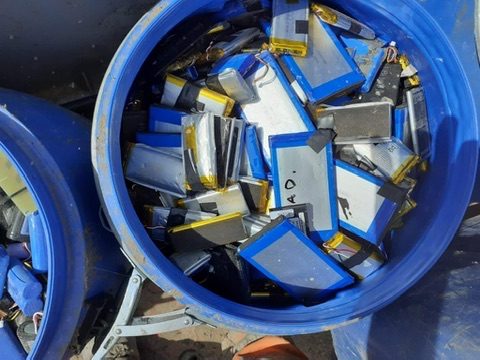
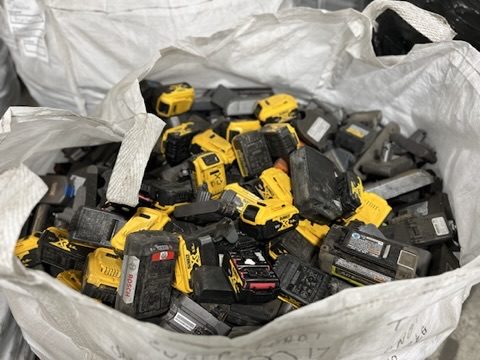
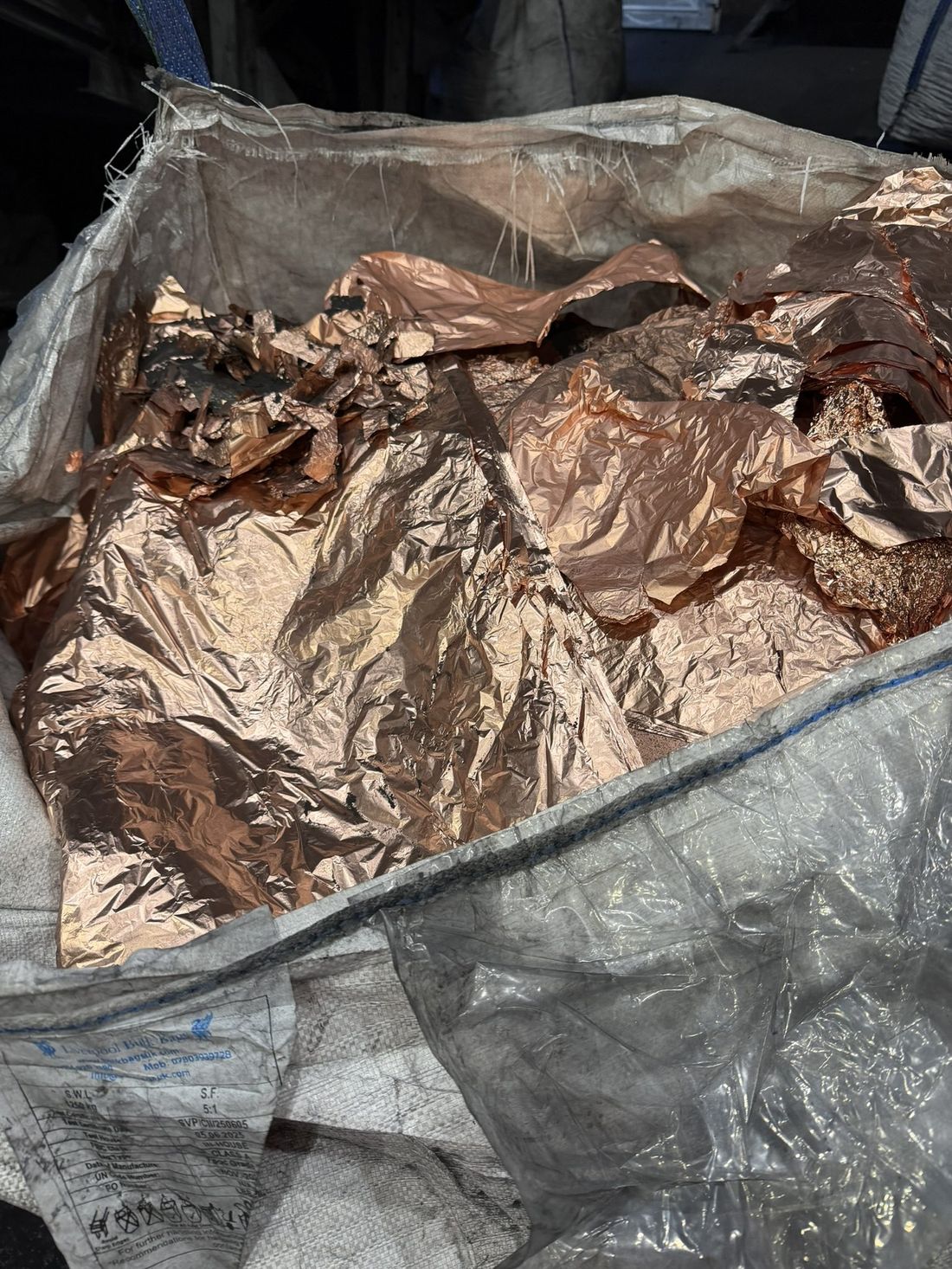
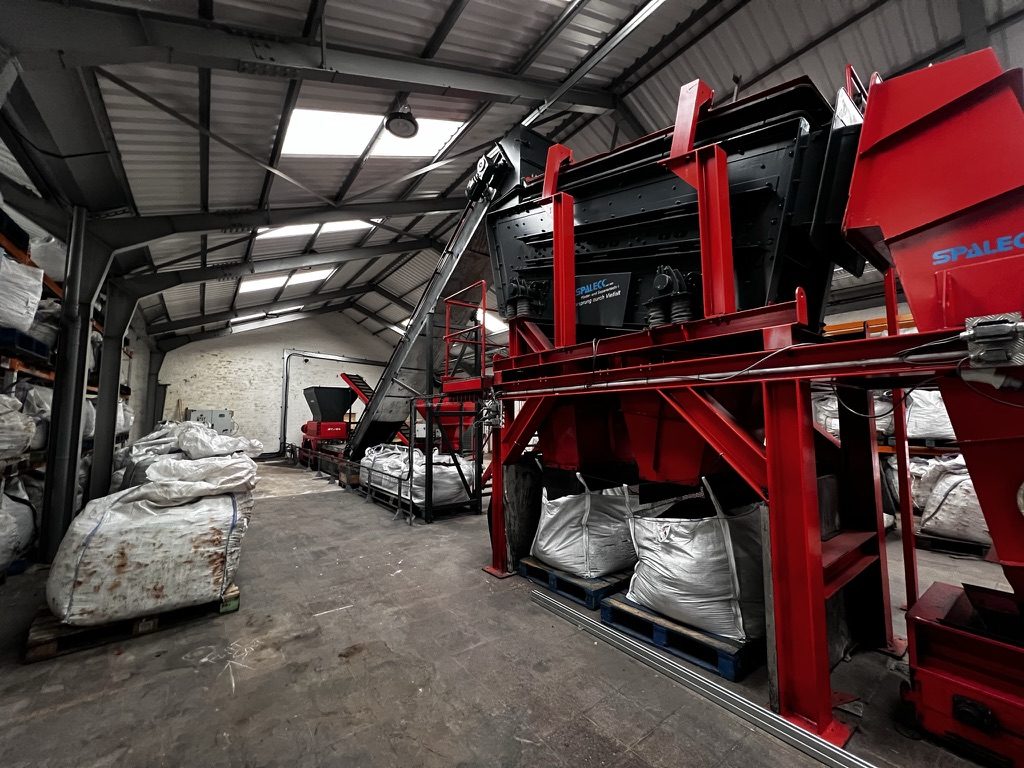
If you supply feedstock
Your problem is route certainty: a reliable, repeatable home for material that would otherwise be sold parcel by parcel into whoever happens to be buying. A contracted book gives you demand you can count on and terms set in advance.
- A reliable, repeatable route to market for your material.
- Demand certainty — a contracted home for what you hold or generate.
- Staged payment against shipping milestones.
- Rejection liability structured onto the recycler under the trade terms.
If you process material
Your problem is utilisation. A refinery's economics turn on throughput, and idle capacity is the most expensive thing a processor owns. The usual cause is feedstock that arrives inconsistently, ungraded and without provenance — supply you cannot plan around.
- Consistent, graded volume matched to your chemistry and specification.
- Supply committed in advance to plan production and utilisation around.
- Material shipped direct to your facility.
- Chain-of-custody and movement records per consignment.
Feedstock security is a utilisation problem. For a refiner, a contracted offtake book is not just supply — it is the ability to run a plant at planned throughput rather than chasing parcels. That is the single problem a secured book is built to solve downstream.
Offtake structures we work with.
Not every counterparty needs the same commitment. The book accommodates a spectrum — from a single parcel to a multi-period framework — with the structure chosen to fit the volume, the chemistry and the certainty each side wants.
Spot
A single, defined parcel traded against current market references. Suited to one-off arisings or to a first transaction where both sides want to work together once before committing further. Volume, chemistry and settlement basis are fixed for that parcel.
Repeat parcels
A recurring flow of comparable parcels under agreed terms, suited to holders generating material on a regular basis. Each shipment settles on its own assay, but the commercial framework and the destination are established, removing the parcel-by-parcel scramble.
Framework / term offtake
Committed volume over a defined period for processors that need to plan utilisation with confidence. Quantity, chemistry, cadence and pricing basis are set out per agreement, with each delivery settling on assay against the agreed references. This is feedstock security in contractual form.
All structures are indicative and agreed per contract. Quantity, chemistry, cadence and pricing basis are confirmed per offtake agreement; nothing here is a binding commitment to trade.
Stated plainly, so it cannot be misread.
A secured book only means something if its limits are as clear as its claims. So, without hedging the substance:
- All volumes on the book are contracted on both sides.
- All trades are subject to contract.
- RAW TG does not imply or hold speculative positions.
- Pricing is market-referenced and assay-settled, agreed per contract.
Nothing here is an offer.
Nothing on this page constitutes an offer, a quotation, or a guarantee of price, volume or outcome. Benchmarks, payables, charges and deductions are described as structure only and are agreed in the trade contract. Regulatory and compliance obligations are handled per consignment — see compliance & traceability.
Trading & offtake — answered.
Are these committed volumes or indications?
Committed. Volume described as on the book is contracted on both sides — upstream supply and downstream offtake — before material moves. We do not represent indications of interest as secured volume, and all trades remain subject to contract.
How do you price?
Pricing is built up from the recoverable metal in the material: a payable percentage applied to the contained metal, referenced to recognised benchmarks, less treatment and refining charges and deductions for contaminants and moisture. We do not publish fixed prices because they depend on chemistry, grade, volume, route and prevailing references at the time of the trade. The basis is agreed and confirmed per contract.
Can we agree framework or term offtake?
Yes. Framework or term offtake can be structured for processors that want committed volume over a defined period, with the specifics — quantity, chemistry, cadence and pricing basis — set out per agreement and confirmed in contract. Each delivery still settles on its own assay against the agreed references.
How are contaminants and moisture handled commercially?
Both are addressed through deductions in the settlement, established by sampling and assay. Contaminants such as copper, aluminium, iron and fluorine, and the moisture content of the parcel, reduce recoverable yield or add downstream cost, so they are reflected as agreed adjustments rather than waved through. The treatment is defined in the contract and applied to the assayed result.
Which benchmarks do you reference?
Pricing is referenced broadly to recognised metal benchmarks — typically the LME nickel, cobalt and copper markets — and to recognised lithium indices, with the applicable references and the pricing window agreed per contract. The point of referencing public benchmarks is that neither side is setting the price unilaterally.
What happens on an assay dispute?
Assay-based settlement is supported by defined sampling and umpire procedures agreed in the contract. Where the parties' assays differ beyond an agreed tolerance, an independent umpire assay is used to resolve the result on a pre-agreed basis. This is standard practice in metals trading and is why representative sampling at the outset matters so much. See how a trade works.
Secure graded volume — or contract your supply.
Tell us which side of the book you're on, and we'll talk through committed volume and terms.
hello@rawbatt.com · +44 203 855 2018 · we reply within two working days