One battery passport standard your whole supply chain can actually use.
From 18 February 2027, every EV and industrial battery placed on the EU market must carry a digital battery passport. RAW TG’s in-house technology team — working on our own platform — builds bespoke passport systems for OEMs, and connects them through a single wallet so recyclers aren’t left juggling a different platform for every manufacturer.
Your battery passport, built bespoke — by a team that lives in the waste stream.
Most passport vendors understand the first life of a battery. Few can evidence what happens at end of life. RAW TG can do both — our own development team builds the system, and our digital platform provides the traceability spine that proves what was recovered and where it went.
An in-house build team, ready
A dedicated development team that can build a bespoke battery passport to your data model, brand and supply chain — not a rigid off-the-shelf template.
Whole-life data, end to end
Production, in-service, end-of-life, recovery and recycled content — one continuous record from manufacture, into the waste stream, and back into manufacturing.
Built on our platform
The passport sits on a real digital duty-of-care and chain-of-custody platform — so the end-of-life and recycled-content data is captured as the trade runs, not asserted afterwards.
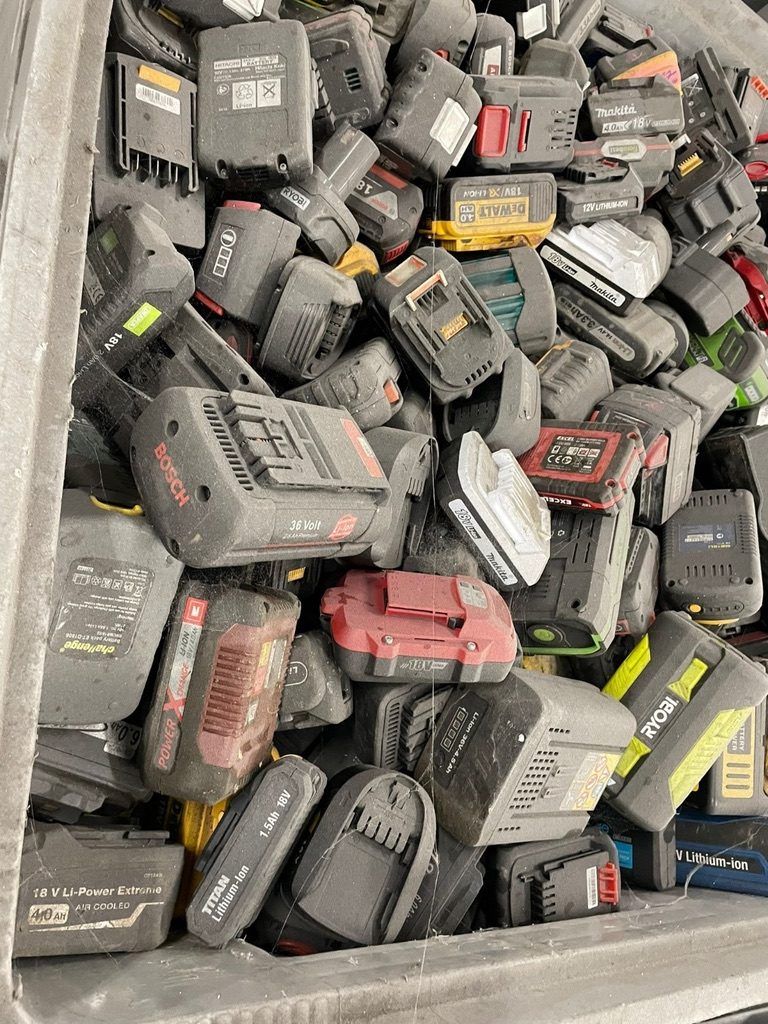
Too many passports. Too many platforms.
As every manufacturer and vendor builds its own battery passport, the burden lands downstream. A busy recycling facility could soon be expected to read, update and comply across a dozen different systems — one per manufacturer.
That is how good intentions become an operational headache: more logins, more re-keying, more room for error, and no single view of a consignment.
- A different login and format for every manufacturer’s passport.
- The same movement re-keyed into multiple platforms.
- No single, auditable view of where a battery actually went.
- More admin and more error for facilities already running flat out.
- Recycled-content data scattered across systems that don’t talk.
One wallet. Every passport. One place to comply.
RAW TG has built a wallet-style approach: a single system that lets every battery passport communicate through one place. OEMs keep their own passport; recyclers, refiners and auditors work from one connected view — not a dozen.
Connect
Each manufacturer’s passport links into the wallet — whatever platform or format it was built on.
Translate
The wallet speaks to each passport, so different standards and data models can interoperate.
One view
Recyclers, refiners and auditors read and update a single connected record per battery.
On the record
Every movement is captured once on our platform and shared with the parties that need it.
Why a wallet, not another platform. Adding one more passport system makes the problem worse. A wallet sits above them all — so a recycler complies once, through one system, however many manufacturers they handle.
Built against the standards, not around them.
A passport that cannot interoperate is another silo. The wallet is designed around the regulation and the standards ecosystem forming underneath it — so an OEM passport built today still talks to the chain in 2031.
Regulation (EU) 2023/1542
The legal baseline: passport content, unique identifiers and QR access for EV, LMT and industrial batteries above 2 kWh from 18 February 2027.
Battery Pass / DIN DKE SPEC 99100
The consortium guidance translating the regulation into concrete data attributes, definitions and units — the de-facto content reference for implementers.
CIRPASS & the wider DPP
The EU's Digital Product Passport groundwork. Batteries go first; the wallet's architecture assumes passports beyond batteries will follow.
GS1 Digital Link
The carrier layer: QR codes that resolve to the right record and access tier, using identifiers that survive resale, repurposing and collection.
One record, three levels of access.
Passport data is tiered by the regulation: some attributes are public to anyone scanning the QR code, others restricted to those with a legitimate interest — recyclers, refiners, insurers — or to market-surveillance authorities.
| Attribute group | Examples | Access |
|---|---|---|
| Identity & composition | Manufacturer, model, chemistry, weight, critical raw materials | Public |
| Sustainability | Carbon footprint, recycled content shares, due-diligence report | Public |
| Performance & durability | Capacity, expected lifetime, round-trip efficiency | Legitimate interest |
| State of health & use | SoH, cycle count, incident and repair history | Legitimate interest |
| Dismantling & safety | Disassembly information, safety measures for recyclers | Legitimate interest |
| Compliance detail | Test results, conformity documentation | Authorities |
Grouping simplified for illustration; the binding attribute list and access tiers are set by the regulation and its delegated acts.

Under the hood: structured data, not PDFs.
Every wallet record is machine-readable. When a recycler confirms receipt or a refiner reports recovery on our platform, the passport's end-of-life chapter is written as structured data — ready for the OEM's system, an auditor's query or a recycled-content claim.
That is the difference between a passport that satisfies a checkbox and one a supply chain can actually compute with: recycled-content arithmetic, recovery-rate reporting and EPR evidence all fall out of the same record.
{
  "batteryId": "PWR-NMC-2029-0042187",
  "eventType": "eol.recovery.reported",
  "timestamp": "2031-03-14T09:42:18Z",
  "custodian": { "role": "refiner", "verified": true },
  "consignment": "AW-CNS-118274",
  "recovered": {
    "nickel_kg": 14.2,
    "cobalt_kg": 3.1,
    "lithium_kg": 1.8,
    "basis": "independent-assay"
  },
  "evidence": ["duty-of-care", "assay-report", "chain-of-custody"]
}
Illustrative event payload — the shape of end-of-life data the wallet writes back to a passport.
From production, into the waste stream, and back into manufacturing.
The passport follows the battery across its whole life. RAW TG evidences the part most providers cannot: what is recovered at end of life, and how that recycled content returns to manufacturing.
Made & in service
Cells, packs and modules enter the market and do their working life.
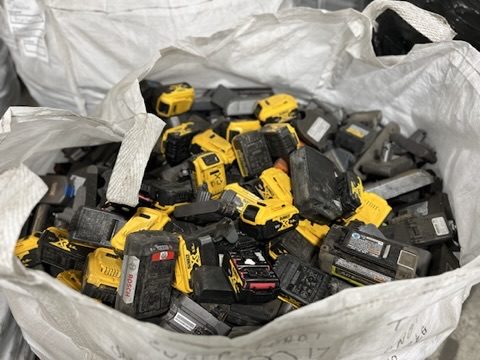
Retired & collected
Modules and packs reach end of service and enter the waste stream.
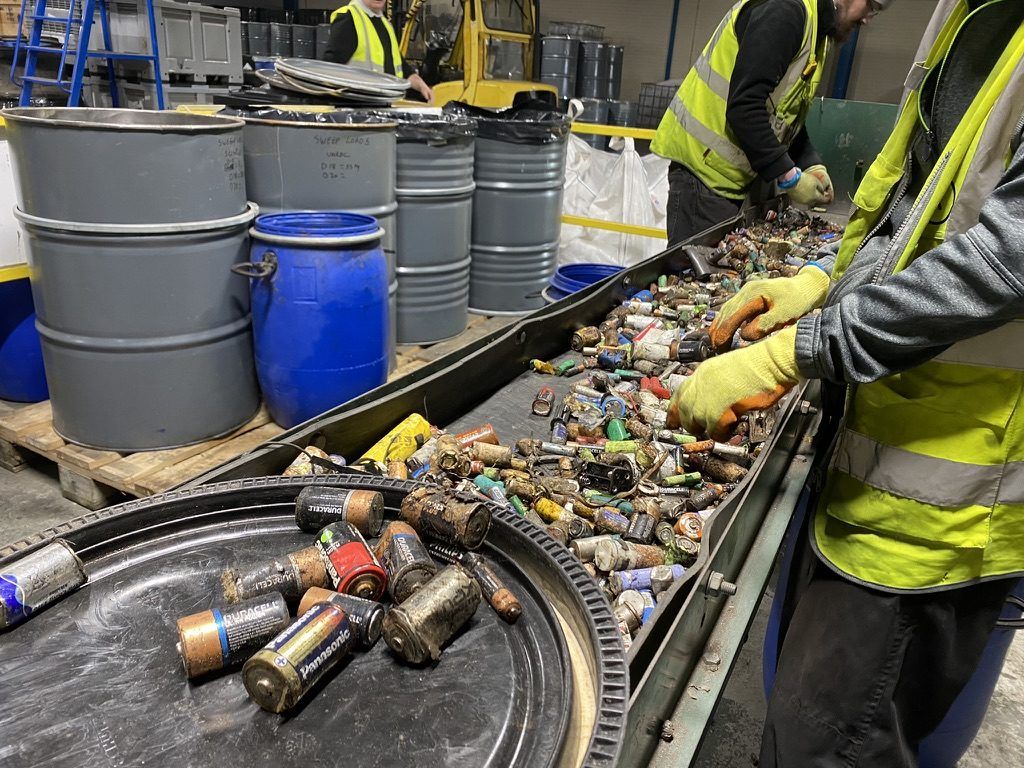
Tracked on our platform
Every movement recorded against the passport — one chain of custody.
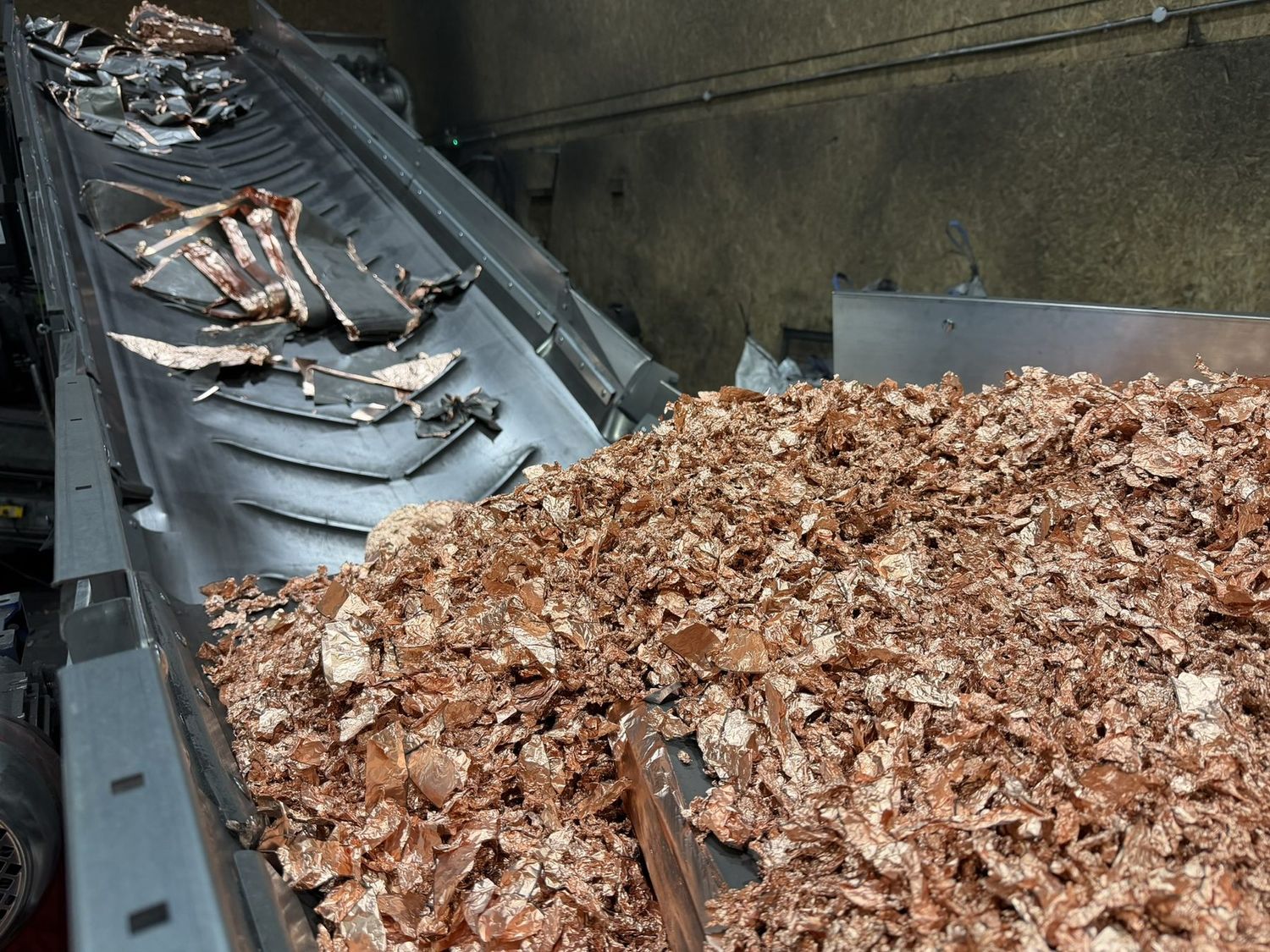
Recovered
Nickel, cobalt, lithium and copper recovered, assayed and evidenced.
Back to manufacturing
Verified recycled content feeds back into new battery production.
Easier for everyone on the chain.
OEMs & manufacturers
- A bespoke passport, built to your data and brand.
- Verified end-of-life and recycled-content evidence.
- One integration that reaches the whole recycling chain.
Recyclers & refiners
- One system to comply with, not one per manufacturer.
- Movements captured once and shared, not re-keyed.
- Less admin for facilities already running at capacity.
Auditors & regulators
- A single, consistent record per battery.
- Auditable chain of custody from source to recovery.
- Recycled-content data that can be evidenced, not asserted.
Building a battery passport? Let’s make it talk to everyone.
Whether you need a bespoke OEM passport built from scratch, or you want your existing passport to reach the recycling chain through one wallet, our technology team can help.
Accuracy & scope
The battery passport and wallet capability described here is in development, designed to support emerging battery passport requirements including the EU digital battery passport. It does not constitute regulatory approval, certification, or a guaranteed compliance outcome, and interoperability depends on the standards finally adopted. OEMs, recyclers and counterparties remain responsible for their own regulatory obligations.